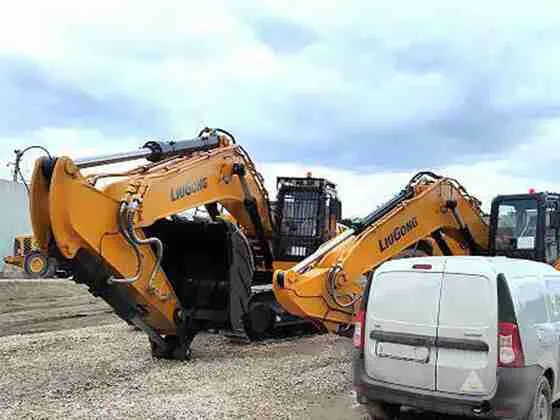


Boom and arm connections move continuously during digging, lifting, loading, and positioning. Automatic grease delivery helps maintain consistent lubrication at these frequently used joints without requiring operators to stop the machine repeatedly for manual greasing.

Bucket pins, linkage joints, and bushings experience repeated movement and substantial loads during excavation. These are among the most important areas to include when planning an excavator auto lube system.

Excavators contain multiple pin-and-bushing connections throughout the boom, arm, bucket, and attachment structure. Centralizing these points into an automatic greasing system can simplify routine lubrication management.

Depending on the excavator design, additional moving or rotating components may also require regular lubrication. These points can be incorporated into the system according to the actual machine configuration.

Excavators may operate with buckets, breakers, grapples, or other attachments. When additional lubrication is required, the automatic greasing solution can be configured around the excavator’s actual attachment and working application.
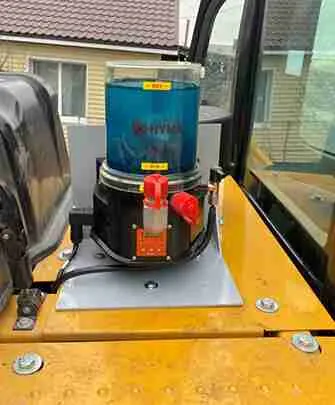
يمكنك تحسين كفاءة عمل الحفارة الخاصة بك باستخدام مضخة التزييت الأوتوماتيكية للحفارات.
سمات

نحن نقدم صمام تشحيم أوتوماتيكي مخصص للحفارة ليتناسب مع نظام الشحوم الخاص بك.
سمات
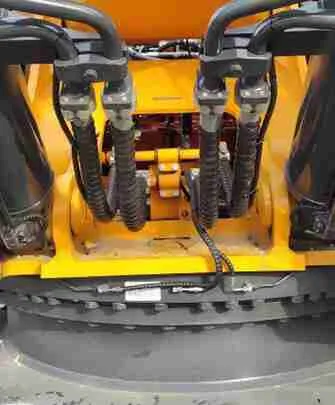
يمكنك الاتصال بشركة HYMA للحصول على أجزاء التزييت الأوتوماتيكية المختلفة للحفارات.
سمات

Construction excavators frequently switch between digging, loading, grading, and material handling tasks. Repeated movement of the boom, arm, bucket linkage, pins, and bushings creates regular greasing requirements throughout the working day.
An automatic greasing system can help construction companies maintain more consistent lubrication while reducing dependence on operators stopping equipment for routine manual greasing.

Quarry excavators often work around rock, aggregates, dust, and abrasive materials. Heavy digging and loading cycles place continuous demands on bucket linkage, pins, bushings, and working joints.
A properly configured automatic greasing solution helps maintain regular lubricant delivery during operation and makes lubrication management easier for machines working long shifts in demanding quarry environments.

Mining excavators may operate for extended periods with high equipment utilization. Maintenance teams therefore need lubrication practices that can support demanding operating schedules without relying entirely on frequent manual greasing.
Automatic lubrication can provide consistent grease delivery to selected lubrication points while the machine operates. For large mining excavators, the system should be configured according to the machine model, working conditions, and actual lubrication layout.

Demolition excavators can experience intensive attachment movement and changing operating demands, particularly when using breakers, grapples, crushers, or other specialized attachments.
Lubrication requirements may therefore differ from those of a standard digging excavator. An application-specific automatic greasing solution can cover the excavator’s main lubrication points while taking additional attachment requirements into consideration.
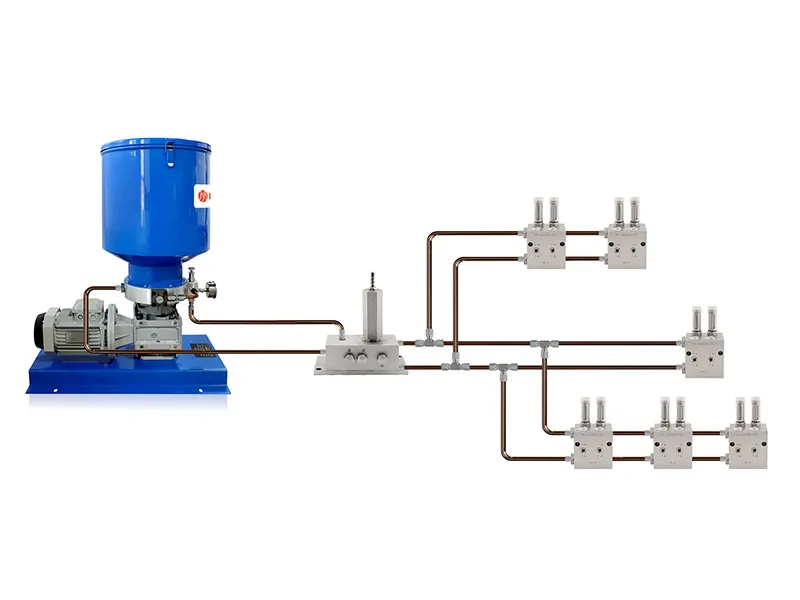
HYMA provides single line, multi-line, progressive, and dual line lubrication systems, but the most suitable solution for an excavator depends on the machine size, lubrication point arrangement, working application, and existing equipment configuration.
Rather than selecting a lubrication system only by system type, excavator owners, fleet operators, dealers, and OEM manufacturers should first consider how the machine is actually used and what lubrication points need to be managed.

مناسب لـ: Excavators with multiple centralized lubrication points.
Progressive lubrication systems are a common solution for excavators and other mobile heavy equipment. They can distribute lubricant sequentially across multiple points and are particularly suitable for centralized greasing of working components such as pins, bushings, and joints.
Best Fit:
Excavators · Loaders · Mobile Heavy Equipment

مناسب لـ: Excavators requiring direct lubricant supply to multiple independent points.
Multi-line systems use multiple outlets to serve different lubrication points and can provide a straightforward solution for equipment where independent lubricant delivery is preferred.
Best Fit:
Excavators · Construction Machinery · Special Equipment

مناسب لـ: Applications requiring a relatively simple centralized lubrication arrangement.
Single-line systems can be considered for selected excavator and construction equipment applications depending on the machine’s lubrication layout and operating requirements.
Best Fit:
Compact Equipment · Construction Machinery · Selected Excavator Applications
مناسب لـ: Larger equipment and demanding lubrication applications.
Dual-line systems are generally more relevant where equipment has larger lubrication networks or demanding operating requirements. For excavators, suitability should be determined according to the machine size and actual lubrication layout rather than assuming that every excavator requires a dual-line system.
Best Fit:
Large Excavators · Heavy Machinery · Large Lubrication Networks
| نظام | Excavator Application | Typical Buyer Scenario |
|---|---|---|
| تقدمي | Multiple centralized grease points | Most common excavator applications |
| متعدد الخطوط | Multiple independent lubrication points | Customized machine applications |
| Single-line | Simpler centralized applications | Selected compact or construction equipment |
| Dual-line | Larger lubrication networks | Large excavators and heavy-duty equipment |

Many excavators currently in operation still depend heavily on manual greasing. An نظام التشحيم التلقائي can be added to suitable existing machines to improve lubrication management without replacing the equipment.
This option is particularly useful for contractors and fleet operators managing excavators with demanding working schedules. The solution can be configured according to the excavator model, existing lubrication points, working application, and maintenance requirements.
For fleets containing different excavator brands or models, each machine can be evaluated separately rather than forcing one standard configuration across the entire fleet.
مناسب لـ:

Excavator manufacturers, equipment dealers, and OEM partners may require automatic greasing systems for new machines before they are delivered to end users.
In this situation, the lubrication solution can be planned around the excavator design and intended application from an earlier stage. This makes it easier to match the greasing solution with the machine configuration and the requirements of the target market.
HYMA can work with equipment manufacturers and distributors on application-specific solutions for different excavator models, supporting both individual projects and ongoing supply requirements.
مناسب لـ:
Tell us the manufacturer and model of your excavator. This gives us a clearer understanding of the machine type and helps us identify the appropriate lubrication solution for your equipment.
Let us know where and how the excavator is used, such as construction, quarrying, mining, demolition, or material handling. Different working conditions can create different lubrication demands.
Photos of the excavator and its main working components can help us better understand the equipment layout, particularly when the machine model has different versions or attachments.
Tell us whether your excavator currently relies on manual greasing, already has an automatic greasing system, or requires replacement or upgrading of an existing lubrication solution.
Share the problem you want to solve or the need to equip multiple excavators with a more standardized lubrication solution.
يتميز نظام التزييت الأوتوماتيكي HYMA للحفارة بسهولة ملء الزيت، مما يوفر لك الشحوم لإكمال أعمال التزييت.
يمكنك ضمان موثوقية الحفارة الخاصة بك دون تكلفة إضافية أو جهد في التشحيم اليدوي.
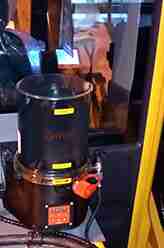
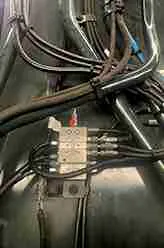
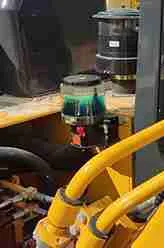
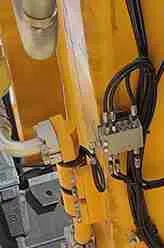
يمكننا مساعدتك في تثبيت نظام الشحوم من خلال تعليم الفيديو والدعم في الموقع.

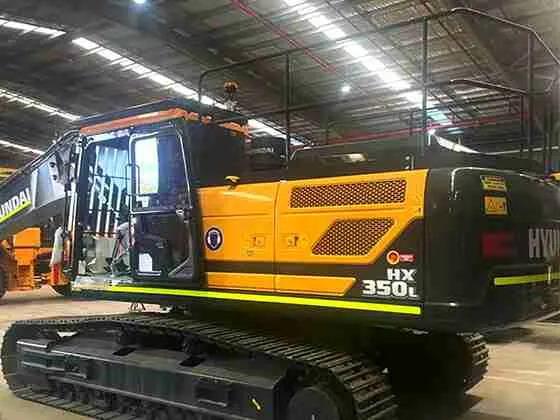
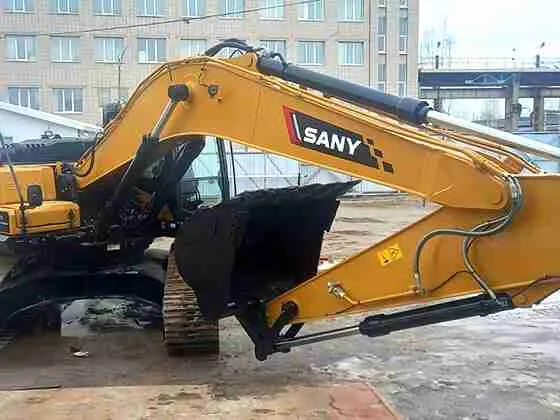
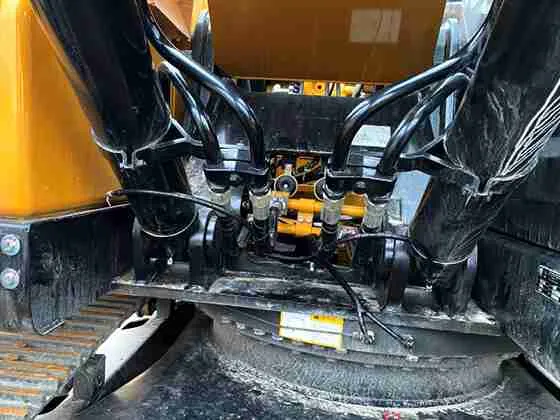
نظام التزييت التلقائي للحفارات يعني نظام التشحيم التلقائي على الحفارات.
تتكون من مضخات التشحيم، وخطوط أنابيب النفط المساعدة، ووحدات القياس، ووحدات التحكم، وتكوينات نقطة التشحيم وغيرها من الملحقات لضمان التشحيم المستمر أثناء تشغيل الحفارة.
توفر شحوم حفارات HYMA الأوتوماتيكية موثوقية لا مثيل لها، مصممة لتقليل وقت التوقف عن العمل وزيادة الكفاءة. بصفتنا شركة صينية موثوقة، نركز على الدقة والمتانة، وتضمن أنظمة التشحيم الأوتوماتيكية لدينا تشحيمًا ثابتًا، مما يحمي المكونات الأساسية من التآكل. بدون وسطاء أو مكاتب خارجية، نقدم حلولاً مباشرة وفعالة من حيث التكلفة مصممة خصيصًا للموزعين.
صُممت شحوم حفارات HYMA الأوتوماتيكية لتحمل الظروف القاسية، وتتميز بأجهزة استشعار ذكية وتصميمات سهلة الصيانة لتوفير تكاليف العمالة. بفضل الاختبارات الدقيقة والدعم السريع، نساعد عملاءك على إطالة عمر معداتهم. اختر HYMA الشحوم الأوتوماتيكية لجودةٍ تُعبّر عن جودة أعمالك، وتعاون مع مورّدٍ ملتزمٍ بتحقيق أرباحك. لنُسرّع عجلة النجاح معًا.
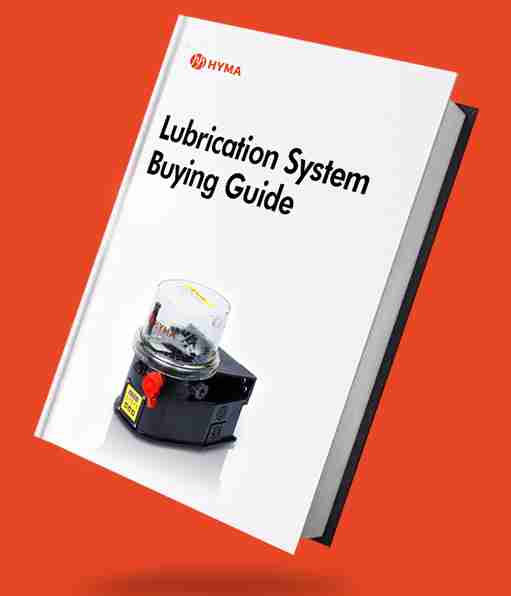
يُعد اختيار جهاز تشحيم أوتوماتيكي لحفارتك أمرًا بالغ الأهمية للحفاظ على الكفاءة وتقليل وقت التوقف. إليك دليل مفصل لمساعدتك على اتخاذ قرار مدروس.
أولاً، قيّم مواصفات حفارتك، بما في ذلك الحجم والطراز وبيئة التشغيل. تتطلب الحفارات الكبيرة في الظروف القاسية أجهزة تشحيم قوية ذات سعة ومتانة عاليتين. على سبيل المثال، تستفيد الحفارات الصغيرة مثل هيتاشي ZX30، المستخدمة في الإنشاءات الحضرية، من تصميمات موفرة للمساحة تمنع تسرب الشحوم وتلوثها. تأكد من توافق جهاز التشحيم مع نظامك الهيدروليكي لتجنب مشاكل الأداء.
افحص مستويات الشحم بانتظام، وقم بإجراء فحوصات بصرية للتأكد من عدم وجود تآكل أو تسريبات. اتبع إرشادات الشركة المصنعة الأصلية فيما يتعلق بفترات الصيانة للحفاظ على كفاءة جهاز التشحيم وإطالة عمره. الصيانة الدورية تمنع الإصلاحات المكلفة وتضمن التشغيل السلس.
ضع في اعتبارك العلامات التجارية ذات السمعة الطيبة مثل فولفو، المعروفة بتصميماتها المتقدمة للمقصورة التي تتكامل بشكل جيد مع أنظمة التشحيم، أو كاتربيلر، التي تقدم خيارات متينة وموثوقة.^ قم بتقييم مراجعات العملاء وشروط الضمان لتقييم الموثوقية والأداء.
يتطلب اختيار جهاز التشحيم التلقائي المناسب للحفارة موازنة بين السعة والمتانة والتوافق مع آلتك. باتباع هذه الإرشادات، يمكنك تعزيز الإنتاجية، وخفض تكاليف الصيانة، وضمان عمر أطول لحفارتك. استثمر بحكمة للحفاظ على تشغيل معداتك بسلاسة في أي بيئة.
Yes. Many excavators already in operation can be upgraded with an automatic greasing system, even if automatic lubrication was not included when the machine was originally purchased.
This is particularly useful for contractors, equipment owners, and fleet operators who want to reduce reliance on routine manual greasing without replacing otherwise productive excavators. The solution should be matched to the individual machine rather than assuming that every excavator can use exactly the same configuration.
When planning an upgrade, provide the excavator brand and model, its current working application, and information about how it is currently lubricated. Machine photos can also help the supplier understand the equipment layout.
For companies operating several excavators, machines can be evaluated individually and then incorporated into a more standardized fleet lubrication strategy. This makes automatic greasing relevant not only for new machinery but also for existing construction, quarry, demolition, and mining excavators.
Not always. Excavators from different manufacturers—and even different models from the same manufacturer—can vary in size, working attachments, lubrication point layouts, and operating applications. For this reason, using exactly the same automatic greasing configuration across every machine is not always the best approach.
For a contractor or fleet owner operating multiple excavator brands, the better strategy is to standardize where practical while allowing the system configuration to be adapted to individual machines.
Start by creating a list of the excavator brands and models in your fleet. You can then group machines with similar applications and lubrication requirements and identify where common components or solutions may be suitable.
This approach is particularly useful for larger fleets because it balances standardization with machine-specific requirements. Instead of sourcing unrelated systems for every excavator, you can work with one lubrication manufacturer to develop a coordinated solution range covering different excavator models.
Fleet owners should focus on creating a consistent lubrication strategy without assuming that every excavator requires an identical system.
Begin by organizing your fleet according to excavator model, machine size, application, attachments, and current lubrication method. Construction excavators, demolition machines, quarry excavators, and mining excavators may have different operating demands even when they belong to similar equipment categories.
Once the fleet is mapped, identify which lubrication solutions can be standardized across multiple machines and which excavators require application-specific configurations. This can simplify purchasing, operator familiarization, replacement planning, and ongoing maintenance management.
It is also useful to work with a supplier capable of supporting several excavator models rather than sourcing each machine independently from different vendors.
For growing fleets, think beyond the immediate machine. A scalable automatic greasing strategy should make it easier to add new excavators later while maintaining a manageable and consistent lubrication program across the fleet.
Yes. The attachments used on an excavator can influence its lubrication requirements, especially when the machine performs more than standard digging and loading work.
A conventional bucket application may have different lubrication demands from an excavator regularly operating with a hydraulic breaker, grapple, crusher, or other specialized attachment. Attachment changes can introduce additional moving points or create different working patterns that should be considered when planning the greasing solution.
When requesting an automatic greasing system, tell the supplier not only the excavator brand and model but also which attachments are normally used. If attachments are changed frequently, mention this as well.
For contractors operating specialized excavators, this application information can be more useful than simply providing the machine model.
The goal is not to select an automatic greasing system based only on the excavator nameplate, but to develop a lubrication solution around how the excavator actually works in daily operation.
Yes. If an excavator already has an automatic greasing system, you can evaluate whether the existing solution should be replaced, upgraded, or adapted rather than automatically returning to manual lubrication.
There are several reasons equipment owners consider replacement. The original system may no longer suit the machine’s current application, replacement components may be difficult to source, the excavator may have been modified, or the owner may want to standardize lubrication systems across a larger fleet.
Before requesting a replacement, provide information about both the excavator and the existing greasing system. Photos of the current installation are particularly useful because they allow the supplier to understand how the machine is presently configured.
For fleet operators, replacement can also be an opportunity to simplify future lubrication management. Instead of maintaining several unrelated systems across different excavators, you may be able to develop a more consistent solution strategy with a single long-term lubrication supplier.
Yes. Excavator dealers and heavy equipment distributors can source complete automatic greasing solutions rather than purchasing individual lubrication components separately for every customer requirement.
For dealers, the important issue is building a product offering that can serve several common excavator applications. Customers may operate different brands, machine sizes, attachments, and working environments, so a single fixed kit may not be suitable for every request.
A practical approach is to work with an automatic lubrication manufacturer that can help organize solutions around common excavator applications while supporting customization when necessary.
This allows dealers to respond to customer inquiries without maintaining expertise in every possible lubrication configuration themselves.
Before developing a product range, consider which excavator brands and models are most common in your market, what types of customers you serve, and whether demand mainly comes from construction, quarrying, mining, demolition, or mixed applications. This information helps manufacturers support a more commercially useful distributor product range.
Distributors do not need to determine every lubrication configuration independently. A better approach is to establish a simple information-collection process and work with the manufacturer to match solutions to individual customer applications.
When an excavator customer contacts you, first collect the machine brand and model. Then determine whether it is an existing-machine upgrade or a solution for new equipment. Ask where the excavator operates and whether it uses standard or specialized attachments. Photos are also helpful when the application is less familiar.
This creates a repeatable sales process that distributors can use across different customers.
Instead of telling every buyer to choose between pumps, valves, and other components, the distributor can focus on understanding the customer’s equipment and application while the manufacturer supports solution selection.
Over time, distributors can also identify frequently requested excavator models in their markets and develop a more standardized product offering for those machines, making future customer inquiries easier to manage.
Automatic greasing products can potentially be developed around a distributor’s market requirements, but the exact scope of customization and private-label support should always be confirmed with the manufacturer before establishing a program.
For excavator distributors, customization may go beyond placing a different brand on a product. A useful distributor program should consider the excavator applications commonly sold in the local market, the product range customers require, packaging and documentation needs, and how future replacement or expansion orders will be handled.
Distributors should therefore start by identifying their target customer group. A dealer serving construction contractors may require a different product mix from one supplying quarry or mining excavators.
For larger or recurring requirements, discuss expected applications and cooperation plans directly with the manufacturer. HYMA can evaluate distributor and OEM requirements and determine which customization options are appropriate for the intended excavator market rather than treating private-label cooperation as a simple branding exercise.
Distributors should choose a manufacturer based on its ability to support their customers over the long term, not simply on the number of lubrication products listed in a catalog.
Application support is particularly important. Your customers may operate different excavator brands, models, attachments, and working environments, so the manufacturer should be able to understand individual requirements and help you recommend appropriate solutions.
Also consider whether the manufacturer can support both individual customer projects and repeat distributor orders. As your business grows, you may need solutions for additional excavator models or other heavy equipment applications.
Customization capability, communication efficiency, product range, OEM cooperation, and ongoing supply support are therefore important considerations.
A strong manufacturing partner should make it easier for you to serve your own customers. The goal is to establish a product and support system that allows your distributorship to handle different excavator inquiries efficiently and expand into additional lubrication applications over time.