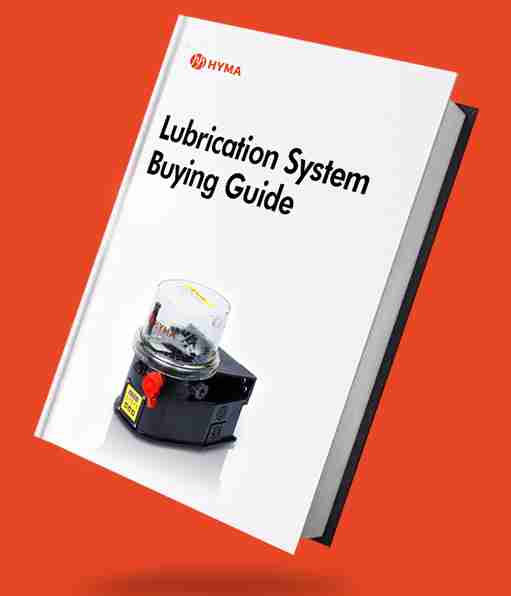



The automatic lubrication system is an automatic lubrication method for industrial equipment including mining equipment, trucks and excavator, etc.
It connects the grease lubrication points distributed in the industrial equipment to the supply device of the lubricating oil system through the pipeline system to form a complete closed system.
The grease metering valve detects the equipment operating status and supplies oil to each lubrication point in a timely, quantitative and automatic manner to ensure better lubrication of each lubrication point for the industrial equipment and extend its service life time.
HYMA provides wide types of Automatic Lubrication Systems such as single point automatic lubrication system, Central Lubrication System, multi line lubrication system, dual line grease lubrication system and more customized automatic grease lubrication system to help you improve lube efficiency on equipment for mining, construction and more industries.
As China’s premier manufacturer of industrial lubrication systems, HYMA equips international distributors with versatile Automatic Lubrication Systems that redefine equipment maintenance. Our expertise spans single-line, multi-line and progressive automatic grease systems, each meticulously crafted to optimize machinery protection across mining, manufacturing, and heavy industries. By ensuring exact lubricant delivery through intelligent controls, we help end-users slash unplanned downtime while extending asset lifecycle.

HYMA single point automatic lubrication system is suitable for hard-to-reach spaces with flexible lubrication settings.
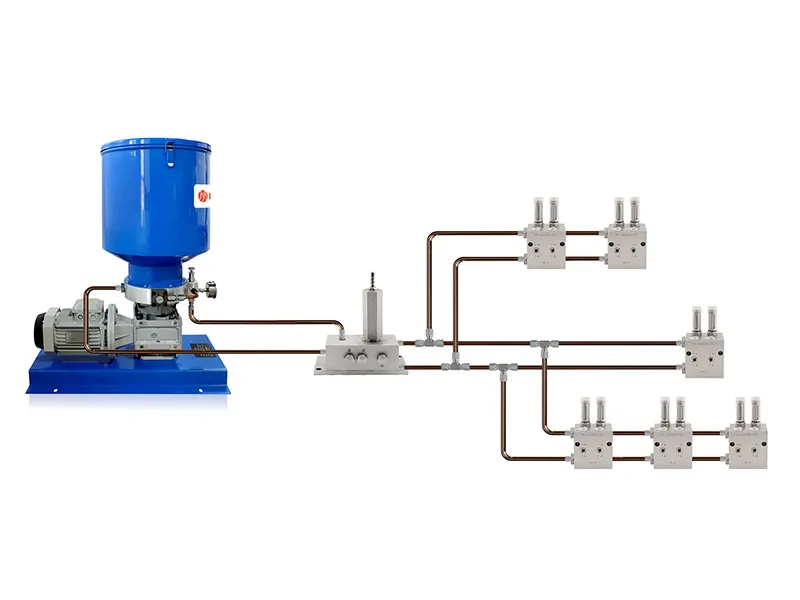
HYMA dual-line lubrication system features in multiple connection modes including series, parallel and mixed series & parallel connection.

HYMA design multi line lubrication system with automated and intelligent way to save your lubrication cost and time.

You can save grease with HYMA progressive lubrication system to lube multiple lubrication points uniformly.
You can source HYMA Automatic Lubrication System Components to save your purchasing cost and improve your machinery working efficiency. We supply complete automation lube system spare parts to help you make stable greasing work.
There are complete grease fittings and automatic grease system parts at cheap price for you to choose, no matter you need oil pipeline or zerk or more lube accessories, we will deliver in short time.

HYMA Automatic lubrication pump designed with digital display panel and it can work automatically in adjusted time.

Your Automatic Lubrication System will have no oil leakage problem with our Auxiliary oil pipeline.

Our Grease Metering Valve can accurately meter, distribute and control lubricants for Each lubrication point.

You can monitor and control the operating status of your Automatic Lubrication System by multiple control methods.
HYMA Automatic Lubrication System is suitable in wide applications from mining, crane to trucks and heavy equipment, etc. You can use our automatic lube system for different industries to reach perfect greasing effect at low cost.
HYMA delivers precision-engineered solutions that eliminate manual greasing challenges. Our autolube grease systems represent the pinnacle of reliability, designed to extend bearing life while reducing maintenance costs across mining, manufacturing, and heavy machinery applications.
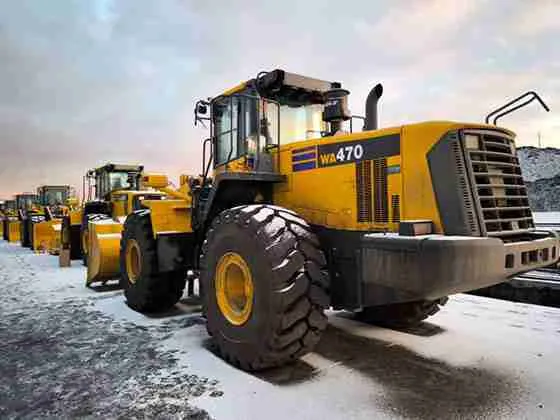
HYMA upgrade Auto Lube Systems For Heavy Equipment with intelligent control system to let you lube heavy equip in easy way.
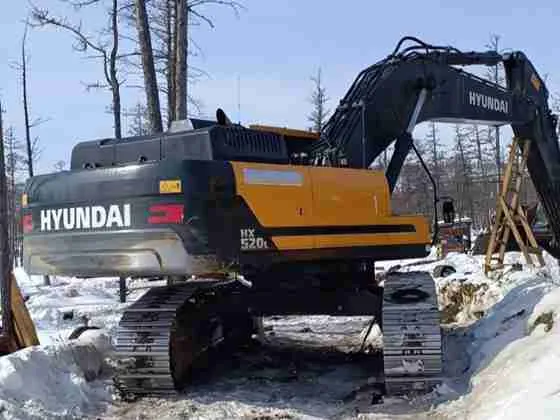
You can improve the Excavator working efficiecny with our Automatic Greasing System For Excavator.

There are multi types of Automatic Grease System For Trucks for you to choose at affordable price and durable performance.
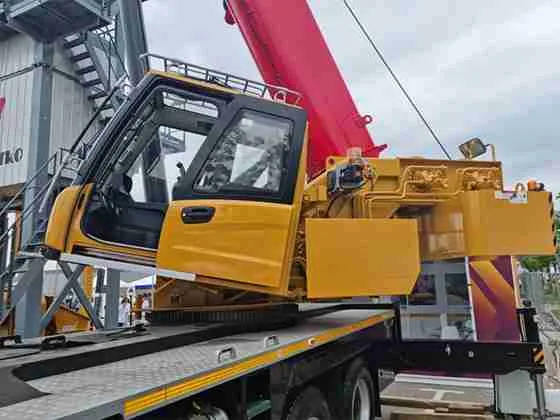
HYMA Automatic Grease System For Crane provide grease to crane equip regularly and quantitatively for a better lubrication effect.
HYMA Automatic Lubrication System is suitable in wide applications from mining, crane to trucks and heavy equipment, etc. You can use our automatic lube system for different industries to reach perfect greasing effect at low cost.
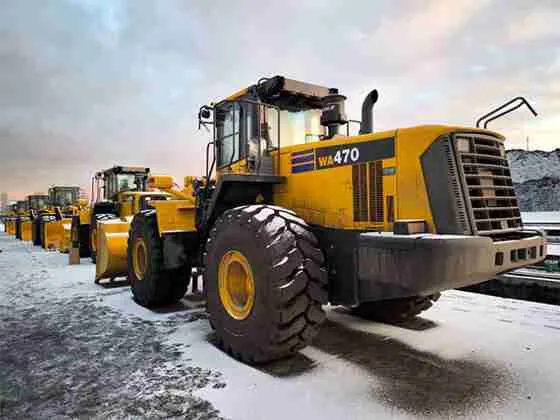
Your chain will automatically get lubricated during operation without the need for additional lubricants to reduces chain wear and friction
You can precisely control the amount of lubricants to save maintenance cost with HYMA automatic grease lubrication system.
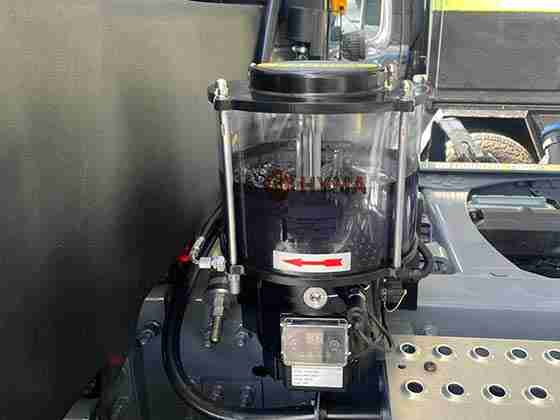
HYMA automatic oil lubrication system can reduce the noise & vibration of your machine and improve your machine reliability.
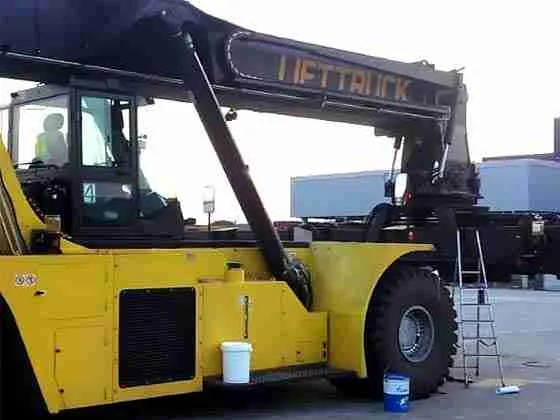
HYMA automatic conveyor chain lubrication system will extending the service life of your conveyor chain with automatic control.
Automatic Lubrication System convey and distribute lubrication oil to ensure the lubrication effect for the equipment normal operation.
The automatic lubrication system provides grease through the grease supply device, and evenly delivers the grease to each working area through the grease distributor.
The key parts of the equipment are lubricated through the grease pipeline during operation.
At the same time, the control system can automatically adjust the grease supply amount and frequency according to the working status and lubrication requirements of your equipment to achieve the best lubrication effect.

There are different choose Automatic Lubrication System types and you need to know your specific greasing need before choosing suitable the Automatic Lubrication System.
You need to confirm the greasing points and lube complexity for your project.
A single point lubrication system will be ok for a simple and less lubrication maintenance project.
You might need to choose dual-line automatic lubrication system for multi greasing points under harsh environmental conditions.
Progressive Automatic lubrication system is fit for small and medium-sized machinery that requires continuous lubrication.
Assess Application Needs: Identify the number of lubrication points, operating conditions (temperature, pressure), and required lubricant viscosity. High-speed or heavy-duty machinery may demand advanced systems.
Choose System Type: Single-point systems are ideal for small-scale applications, while multi-point systems suit complex machinery. Centralized systems offer efficiency for large facilities.
Evaluate Components: Look for durable pumps, precise metering valves, and reliable control panels. Prioritize systems with easy-to-monitor features like low-level alarms.
Consider Maintenance Requirements: Opt for user-friendly designs with accessible parts. Automated systems with diagnostic capabilities can minimize downtime.
Budget and ROI: Balance initial costs against long-term savings from reduced labor and improved equipment lifespan.
You need to confirm the lubrication type of your machine to find automatic grease lubrication system price.
Automatic grease lubrication system composed of multi spare parts including grease pump, grease metering valve and grease gun, etc. A lubrication pump price ranges from $716 to $1200 based on the greasing system. Different Automatic grease lubrication system leads different price so you should know the specific lubrication system assembly parts.
Finding the right auto grease lubrication system at a competitive price requires strategic planning. Start by researching suppliers specializing in lubrication solutions to compare quotes. Prioritize vendors offering customizable automatic grease systems tailored to your equipment needs.
Negotiate bulk pricing by confirming order volumes upfront—many suppliers provide discounts for larger purchases. Consider long-term partnerships; reliable providers often reward loyalty with cost-saving incentives.
Evaluate automatic dispenser features like precision, durability, and energy efficiency. While lower upfront costs are tempting, investing in advanced technology reduces downtime and long-term expenses. Request detailed breakdowns to avoid hidden fees.
Attend industry trade shows or webinars to discover promotions and connect directly with manufacturers. Leverage competitor quotes to negotiate better deals, ensuring you highlight your commitment to quality lubrication solutions.
Finally, explore financing or leasing options to spread costs without compromising system performance. By balancing affordability with reliability, you’ll secure an automatic grease system that maximizes ROI.


HYMA offer full suport to help you install and operate the auto lube systems with technical guide and how-to videos. You can also let our engineers to solve your problems via video call.
Our expert engineers is available to fly to your country and fix the issues on your site. As leading auto lubrication system supplier, HYMA has rich industry experience on different applications and can provide practical tips to reduce the cut down time for your machine.
Your automatic grease systems will get protected with our quality warranty and complete spare parts supply. We not only just sell the auto lubrication system, but also provide after sales service for all of our clients regarding the auto grease lubrication system.
HYMA’s automatic lubrication technology combines robust durability with smart controls, ensuring seamless integration into diverse machinery. With advanced production and rigorous quality testing, we guarantee reliability that meets global standards. Customizable configurations and scalable solutions enable distributors to address unique client needs while maximizing profitability.
HYMA supports partners with competitive pricing, rapid delivery and dedicated technical assistance. Join our network of satisfied distributors worldwide and leverage the growing demand for efficient, maintenance-free lubrication.
For distributors seeking custom made lubrication systems manufacturers, HYMA offers flexible OEM solutions. Our engineering team collaborates closely with partners to develop application-specific configurations, whether for high-temperature foundry equipment or offshore wind turbines facing saltwater exposure. The HYMA difference includes: proprietary anti-clog nozzle designs tested over 50,000 cycles, real-time monitoring, and modular systems allowing easy field upgrades. Unlike generic suppliers, we maintain a dedicated facility where 100% of automatic lubrication system assembly occurs under climate-controlled conditions – a critical factor in achieving micron-level tolerances.
Sustainability drives our innovation as automatic lubrication system manufacturers. Recent advancements include biodegradable grease compatibility and systems that reduce lubricant waste by up to 60% versus conventional methods. Distributors consistently report that HYMA’s auto greasing system solutions help clients meet both environmental targets and OSHA compliance requirements through precise, contained lubricant delivery.


What sets HYMA apart as premier automatic lubrication system suppliers is our vertically integrated manufacturing process. We source only aerospace-grade aluminum alloys and hardened steel components for our auto greasing system products, ensuring corrosion resistance even in extreme environments.
Each automatic grease lubrication system undergoes 37 rigorous quality checks – from pressure testing every pump assembly to microscopic inspection of metering components. This meticulous approach explains why our automatic grease lubrication system price delivers exceptional ROI, with documented cases of 300% longer component life compared to manual lubrication methods.
You want to find Automatic Lubrication System Manufacturers and HYMA can be your better choice with one stop solution on lubrication field. We also help you tailor special grease system for wide applications.
HYMA is known as top rated Automatic Lubrication System Manufacturer and we’ve helped thousands of clients by auto lube systems grow business with professional support on machinery lubrication and spare parts in affordable price.
Your heavy machinery isn’t just expensive—it’s mission-critical. Every hour lost to breakdowns or manual greasing burns cash. But what if you could slash maintenance time, protect equipment, and keep Automatic Grease Lubrication System price concerns in check?
We build rugged automatic grease systems that tackle harsh environments while keeping budgets intact. Unlike generic solutions, our systems integrate seamlessly with your equipment’s Automatic Grease System Fittings, whether you’re retrofitting old machinery or upgrading new fleets. No adapters, no guesswork—just precision-engineered compatibility that eliminates leaks and wasted grease.
Here’s the truth: cheap systems fail. Ours don’t. Corrosion-resistant fittings endure salt, dust, and moisture, while smart controllers adjust grease output based on load and operating hours. Over-lubrication? Gone. Under-lubrication? Never. You save up to 40% on grease costs annually while doubling bearing life.
Worried about upfront costs? Our Automatic Grease Lubrication System price structure scales to your needs. Pay for what you use: compact units for single machines or centralized systems for entire fleets. ROI kicks in fast—most clients break even in under 12 months through reduced labor and downtime.
But it’s not just about hardware. Every fitting, hose, and sensor is tested in real-world mines, ports, and construction sites. We’ve seen -40°C winters melt bearings with poor lubrication. That’s why our Automatic Grease System Fittings include freeze-resistant seals and pressure monitors that alert you before a fitting clogs.
Still greasing manually? One missed fitting costs 10x more than our starter kit. Join 6700+ operators who’ve switched to set-and-forget reliability. Let’s customize a solution that fits your gear—and your budget.
In the competitive world of industrial maintenance, downtime is the enemy. HYMA empowers forward-thinking distributors like you with automatic lubrication systems engineered to outperform industry standards. For over a decade, we’ve partnered with global agents to deliver automatic greasing systems that redefine reliability—solutions built not just to meet specs but to exceed expectations.
Why align with HYMA? Because we understand your challenges. Our autolube systems aren’t generic products; they’re tailored to your clients’ unique needs. Whether it’s a mining operation requiring heavy-duty protection or a food processing plant demanding precision hygiene, our engineers adapt designs swiftly. Clients get solutions that integrate effortlessly, while you gain a reputation as the go-to expert for innovation.
We fuel your success beyond products. HYMA agents receive dedicated technical training, 24/7 engineering support, and marketing tools that simplify complex selling. Our pricing isn’t just competitive—it’s structured to protect your margins even in price-sensitive markets. Forget rigid catalogs; we thrive on customization. If a client needs a hybrid automatic greasing system with IoT capabilities or a compact retrofit kit for aging machinery, we turn concepts into reality.
Trust matters here. When you partner with HYMA, you’re backed by top grade manufacturing and a track record of 98% on-time delivery. Our autolube systems aren’t just components; they’re long-term reliability investments that keep your customers coming back.
The lubrication industry is evolving. With HYMA’s automatic lubrication systems, you’re not just selling equipment—you’re offering peace of mind. Let’s grow your market share together.
Contact HYMA today to explore an exclusive partnership. With our engineering muscle and your local expertise, we’ll make “downtime” a forgotten word in your clients’ vocabulary.
When it comes to industrial machinery maintenance, an auto grease lubrication system (also called an auto greasing system or auto lubrication system) is a game-changer. These systems ensure precision lubrication, reduce downtime, and extend equipment life—but sourcing the right one requires careful planning. Here’s how to navigate the process like a pro.
1. Define Your Needs
Start by evaluating your machinery’s requirements. Do you need a centralized auto greasing system for large-scale operations, or a compact auto lubrication system for specific components? Consider factors like lubrication intervals, grease type, and environmental conditions (e.g., temperature, dust exposure).
2. Prioritize Quality & Compatibility
Not all auto grease lubrication systems are built equal. Look for robust designs with corrosion-resistant materials (stainless steel or aluminum) and compatibility with industry-standard greases. Systems with programmable timers or sensors add value by adapting to real-time demands.
3. Verify Supplier Expertise
Work with suppliers who specialize in auto lubrication systems and understand industrial applications. Ask for case studies or client references—proven performance in your sector (mining, manufacturing, agriculture) matters. Certifications like ISO 9001 also signal reliability.
4. Focus on Service & Support
Even the best auto greasing system can face hiccups. Choose a supplier offering technical support, training, and readily available spare parts. A warranty covering at least 12 months is a must.
5. Compare Costs Strategically
While budget matters, avoid compromising quality for price. Calculate long-term savings from reduced manual labor, lower grease waste, and fewer breakdowns. Modular systems might cost more upfront but offer scalability.
Final Tip: Test before committing! Many suppliers provide trial units or on-site demos for auto grease lubrication systems—use this to gauge performance firsthand.
By following these steps, you’ll secure an auto lubrication system that boosts efficiency and protects your machinery. Don’t settle for guesswork—invest in precision.
In industrial and transportation sectors, equipment longevity hinges on consistent lubrication. HYMA’s automatic grease lubrication system eliminates manual greasing, reducing downtime and extending machinery life. Designed for reliability, our systems deliver precise grease distribution, ensuring optimal performance for semi-trucks and heavy equipment even in extreme conditions.
Wondering about the Automatic Grease lubrication system price? HYMA offers competitive pricing without compromising quality. As a trusted manufacturer, we provide the best automatic grease lubrication system tailored to your needs—from centralized systems for fleets to compact units for single machines. Our auto lube systems for heavy equipment cut maintenance costs by up to 50%, making them a smart investment for operators prioritizing efficiency.
Choose HYMA for innovation-backed durability. Whether you need an automatic grease system for semi trucks or mining machinery, our solutions are engineered to outperform. Contact us today for a quote and join industry leaders who trust HYMA to keep their assets running smoother, longer.
Automatic lubrication systems enhance equipment reliability, reduce maintenance costs, and minimize downtime by delivering precise lubrication at scheduled intervals. They prevent over- or under-lubrication, extending machinery lifespan and improving operational efficiency. Ideal for industrial applications, these systems ensure consistent performance, reduce labor costs, and enhance safety by eliminating manual lubrication risks.
By optimizing lubrication, they boost productivity and reduce energy consumption, making them a smart investment for modern industries.
For experienced maintenance and lubrication distributors, the shift from manual greasing to Automatic Lubrication Systems (ALS) isn’t just a trend—it’s the future of industrial reliability. If you are already established in the machinery sector, transitioning into an ALS provider allows you to offer higher-value solutions, secure long-term service contracts, and significantly improve your clients’ bottom lines.
By leveraging high-quality manufacturing from China, you can build a competitive, high-margin business. Here is how to start.
Automatic lubrication is not a “one size fits all” industry. To succeed, you must identify where the pain points are greatest:
Heavy Equipment: Construction, mining, and agriculture.
Industrial Plants: Food processing, packaging, and steel mills.
Renewable Energy: Wind turbine pitch and yaw bearings.
Focusing on a specific sector allows you to master the technical requirements and build a reputation as a specialized expert.
China has become a global hub for ALS innovation, offering a balance of advanced technology and cost-efficiency. When selecting a manufacturing partner:
Prioritize Compatibility: Ensure the pumps and distributors are compatible with global standards (e.g., NLGI grades).
Quality Certification: Look for ISO 9001 and CE certifications to ensure the hardware can withstand harsh environments.
Customization (OEM): Partner with suppliers who allow you to brand the units, giving your business a professional, proprietary feel.
Selling ALS is different from selling barrels of oil. You are selling an engineered solution.
System Design: Learn to calculate precise grease requirements based on bearing size and RPM.
Installation Services: Offer “Turnkey” solutions where your team handles the plumbing and calibration of the systems.
Monitoring Integration: Modern Chinese systems often feature IoT capabilities. Offering remote monitoring via smartphone apps can be a massive selling point for modern factories.
Your marketing should focus on ROI (Return on Investment). Remind your clients that:
$50\%$ of bearing failures are caused by improper lubrication.
ALS reduces grease consumption by up to $25\%$ through precise dosing.
It eliminates the safety risks of technicians climbing onto moving machinery.
| Feature | Manual Lubrication | Automatic Systems (ALS) |
| Consistency | Irregular (Over/Under greasing) | Constant, precise intervals |
| Labor Cost | High (Requires manual hours) | Low (Automated) |
| Machine Downtime | Required for greasing | Greasing happens while running |
| Safety | High risk for technicians | Significantly safer |
The initial sale is just the beginning. The real profit in this business lies in ongoing support:
Refill Contracts: Ensure you are the primary supplier for the lubricant used in the systems.
Annual Audits: Offer yearly system health checks to ensure lines aren’t blocked and timers are optimized.
By combining your local expertise with the manufacturing power of Chinese partners, you can transform from a simple parts distributor into a vital reliability partner for your customers.
Finding a reliable Automatic lubrication system supplier in China is the most critical step in protecting your reputation as a distributor. High-quality hardware prevents costly leaks and system failures that can damage your clients’ multi-million dollar machinery.
Here is a guide to sourcing the right partner.
Many companies on B2B platforms are trading firms, not factories. To ensure long-term stability:
Request a Video Walkthrough: Ask for a live tour of the CNC machining centers and assembly lines.
Check R&D Depth: A reliable supplier should have an in-house engineering team that understands the fluid dynamics of different grease viscosities, not just someone selling off-the-shelf parts.
Don’t take “high quality” at face value. Demand documentation that proves the equipment can handle industrial stress:
Pressure Testing: Ensure pumps are rated for your specific needs (e.g., $250+$ bar for progressive systems).
IP Ratings: Since these systems often sit outdoors, an IP65 or IP67 rating for electrical components is non-negotiable.
ISO 9001: This ensures their internal management won’t fall apart when you place a large order.
A supplier is a partner, not just a vendor. Test their responsiveness:
Technical Documentation: Do they provide clear English manuals and wiring diagrams?
Customization: Can they adjust the reservoir size or voltage (24V DC vs. 110V/220V AC) to meet your local market’s electrical standards?
Never skip the Sample Phase. Order a single “Pump + Distributor” kit and run it under “torture test” conditions—high heat, vibration, and maximum pressure. If the supplier is confident in their product, they will often credit the sample cost toward your first bulk order.
Operating an Automatic Lubrication System (ALS)—often called a centralized lubrication system—is a game-changer for machine longevity. It moves you away from the “grease gun and a prayer” method to a precise, automated cadence.
Here is a guide on how to operate and manage these systems effectively.
Before hitting the “On” switch, you need to know what you’re looking at. Most systems consist of:
Controller/Timer: The “brain” that determines how often and how long the system runs.
Pump & Reservoir: Holds the lubricant and pushes it through the lines.
Metering Devices (Injectors/Dividers): These ensure each bearing gets a specific, measured amount of grease or oil.
Pressure Gauge: Your primary visual indicator of system health.
Check Lubricant Levels: Ensure the reservoir is filled with the manufacturer-specified lubricant.
Pro Tip: Never mix different types of grease (e.g., Lithium-based vs. Polyurea) as they can chemically react and harden, clogging the lines.
Inspect Main Lines: Look for any obvious cracks or leaks in the primary hoses.
Most digital controllers require two primary inputs:
Interval Time (Off-Time): The duration between lubrication cycles (e.g., every 2 hours).
Duration Time (On-Time): How long the pump runs, or the number of strokes it performs per cycle.
If the system is new or has run dry, you must bleed the air out of the lines.
Crack the fittings at the furthest lubrication point.
Run the pump manually until a steady stream of lubricant appears without air bubbles.
Tighten the fittings.
An automatic system is “set and forget,” but not “ignore forever.”
| Indicator | What it means | Action Required |
| High Pressure | A blockage in the line or a seized injector. | Inspect injectors and clear the clog. |
| Low Pressure | A leak in the main line or an empty reservoir. | Check for “puddles” or refill the tank. |
| Cycle Alarm | The system failed to complete a cycle. | Check the power supply and pump motor. |
Keep it Clean: Wipe the grease fittings and reservoir lids before refilling. Contamination is the #1 cause of ALS failure.
Verify at the Bearing: Occasionally check the actual machine bearings. If they look bone-dry or are running hot, the ALS might be delivering lubricant to the line, but not the point.
Annual Calibration: Once a year, verify that the $mL/cycle$ delivered matches the machine’s requirements using the formula:
The reliability of Chinese automatic lubrication systems (ALS) has evolved significantly. By 2026, the market is no longer defined by “cheap alternatives” but by a two-tier system: high-end manufacturers competing globally with brands like SKF or Lincoln, and smaller budget-oriented factories.
Whether a Chinese manufacturer is “reliable” depends entirely on their tier and certifications.
Top-tier Chinese brands (e.g., Autol, Jiangsu Tom, or IGLAN) are often reliable enough for heavy industrial use.
Global Reach: These companies export to over 60 countries and are used in major mining, wind power, and automotive sectors.
Technology: They utilize IoT sensors and Industry 4.0 integration for real-time monitoring—features that often match Western standards.
Certification: Look for CE, ISO 9001, and IATF 16949 (specifically for automotive). If they have these, their quality control is audited and consistent.
Many manufacturers on platforms like Alibaba or Made-in-China offer much lower prices.
The Risk: These systems may use lower-grade seals or plastic components that can fail under extreme temperatures or high pressure.
Performance: About 25% of user reviews for budget models mention inconsistent pressure levels or difficulties with specific thick-grease applications.
| Feature | Chinese Manufacturers (Tier 1) | Western Alternatives (SKF, Graco) |
| Price | Typically 30–50% more affordable. | Premium pricing. |
| Delivery | High speed, massive production capacity. | Can have longer lead times. |
| Customization | Very flexible for OEM/ODM requests. | Rigid, standardized product lines. |
| Service | Growing global network, but often remote. | Established local dealer/service networks. |
If you are considering a Chinese supplier, use this checklist to ensure you don’t end up with a “lemon”:
Check for “Audited Supplier” Status: On B2B platforms, look for “Diamond” or “Gold” memberships that have been physically audited by third parties like SGS or Intertek.
Verify Components: Ask if they use international brands for critical parts (e.g., Schneider electrics or high-quality Japanese seals).
Track Record: Ask for a reference list. A reliable manufacturer should be able to show their systems working in mines, steel mills, or power plants for at least 3–5 years.
Testing Reports: Request the $ASTM$ $D4172$ wear test performance or $ISO$ $12924$ contamination resistance certifications.
Are they reliable? Yes, provided you avoid the “bottom-of-the-barrel” pricing. If you choose a manufacturer with a strong export history and proper ISO certifications, you can get a system that performs at 90% of the quality of a Western brand for a fraction of the cost.
Checking and testing an Automatic Lubrication System (ALS) is a critical part of predictive maintenance. It’s not enough to see the pump running; you must ensure the lubricant actually reaches the friction points.
Here is a systematic approach to verifying your system’s health.
Before running a manual test, perform a static check:
Reservoir Level: Ensure the tank isn’t just full, but that the lubricant is clean. Look for “tunneling” (where a hole forms in the grease but the pump can’t grab it).
Line Integrity: Trace the secondary lines from the dividers to the bearings. Look for crimped lines, cracks, or wet spots that indicate a leak.
Bearing “Collars”: A healthy bearing should have a small, fresh “collar” of grease visible at the seal. If the grease is hard, black, or non-existent, the point is blocked.
Most systems have a “Manual Run” or “Test” button on the controller.
Initiate a Manual Cycle: Press the test button and watch the pump motor engage.
Monitor the Pressure Gauge: * Normal: Pressure builds steadily until the injectors/dividers fire, then drops or stabilizes.
Abnormal (High): If pressure spikes instantly to the maximum (e.g., $250$ to $300$ bar), you have a blockage in a main line or a seized divider valve.
Abnormal (Low): If the pump runs but pressure never builds, you likely have a major leak or air trapped in the pump (cavitation).
Check Indicator Pins: High-quality divider blocks have “cycle indicator pins.” These are small metal rods that move in and out as the grease passes through. If the pin isn’t moving, that specific block is bypassed or jammed.
For a deeper dive into system reliability, use these three methods:
Disconnect a secondary line at the bearing and run a manual cycle. Verify that exactly the rated amount (e.g., $0.2$ cc) of lubricant exits the line.
Once the system reaches peak pressure, turn it off and watch the gauge.
Oil Systems: Pressure should drop slowly and predictably.
Grease Systems: Pressure should hold or vent quickly depending on whether it’s a “Single-Line Parallel” or “Progressive” system. A sudden, unexpected drop usually indicates a failing check valve.
In systems like Lincoln Centro-Matic, the pressure must “vent” back to roughly $40$ psi ($2.8$ bar) for the injectors to reset. If the pressure stays high, the injectors won’t “fire” during the next cycle.
| Symptom | Potential Cause | Fix |
| Pump runs, no grease moves | Air lock (Cavitation) | Bleed the pump at the outlet fitting. |
| Alarm: Pressure Timeout | Broken main line | Inspect for “puddles” of grease on the floor. |
| One bearing is running hot | Blocked injector/feed line | Replace the specific metering device for that point. |
| Grease is leaking from the pump | Blown relief valve | Check for a downstream blockage causing over-pressure. |
[ ] Reservoir is above the “Minimum” mark.
[ ] No “Fault” or “Low Level” lights on the controller.
[ ] Pressure gauge reaches the target operating range during a cycle.
[ ] Indicator pins on divider blocks are cycling.
[ ] Fresh grease is visible at the bearing seals.
Leveraging Automatic Lubrication Systems (ALS) is one of the most effective ways to transition a maintenance business from a “reactive repair shop” to a “high-value reliability partner.” By selling the results (uptime) rather than just the hardware, you can significantly increase your profit margins.
Here is a strategic roadmap to growing your maintenance business using ALS.
Stop selling “grease pumps” and start selling “Elimination of Downtime.” * The Problem: Manually greasing 50+ points on a machine is labor-intensive, often skipped, and dangerous (requiring machines to stop or technicians to climb).
The Solution: An ALS ensures 100% lubrication compliance.
The Pitch: “We can reduce your bearing failures by 50% and recover 40 hours of maintenance labor per month.”
Create a recurring revenue model by offering different levels of ALS support:
| Service Level | What’s Included | Revenue Model |
| Tier 1: Retrofit | Full system design and installation on existing fleet. | Project-based fee (High margin). |
| Tier 2: Managed Care | Quarterly system calibration, reservoir refills, and filter changes. | Monthly Retainer. |
| Tier 3: Reliability Pro | Remote monitoring via IoT (Pressure alerts/Level sensing) + Wear Analysis. | Premium Subscription. |
Focus on “Dirty & High-Duty” industries where manual lubrication is most likely to fail:
Construction & Mining: Excavators and loaders have high-impact joints that need grease every few hours.
Food & Beverage: High-washdown environments where grease is constantly stripped away.
Wind Energy: High-altitude bearings that are difficult and expensive for humans to reach.
Manufacturing/Steel Mills: Extreme heat environments where manual greasing is a safety hazard.
To close bigger deals, show the client the math. A typical ROI case study looks like this:
Cost of 1 Bearing Failure: $\$2,000$ (Part) + $\$10,000$ (Lost Production) = $\$12,000$.
Cost of ALS Installation: $\$5,000$.
The Argument: The system pays for itself the very first time it prevents a single bearing seizure.
You don’t have to grow alone. Build a network to feed your business:
OEM Partnerships: Approach local machinery dealers. Offer to be their “Authorized ALS Installer” for new machines they sell.
Lubricant Suppliers: Partner with oil/grease distributors. They sell the “fluid”; you sell the “delivery system.” They can refer clients to you when they see high wear rates in oil samples.
Before & After Content: Post photos on LinkedIn or your website showing a “dry, rusted bearing” vs. a “perfectly lubricated ALS-protected bearing.”
Educational Webinars: Host a 20-minute session on “Why 80% of Bearing Failures are Man-Made” (focusing on over/under-greasing).
Certification: Get your team certified by major brands (e.g., SKF, Lincoln, or top-tier Chinese manufacturers). This builds immediate trust.
Absolutely. In fact, customization is the industry standard for high-performance machinery. A “one-size-fits-all” approach rarely works because every machine has different bearing sizes, speeds, and environmental stressors.
Most manufacturers (both Western and top-tier Chinese suppliers) offer customization across three main levels:
You can tailor the hardware to fit the specific footprint of your machine:
Reservoir Size: Choose from small 2L canisters for mobile equipment to massive 100L+ tanks for industrial plants.
Manifold Design: Custom-drilled divider blocks to match the exact number of lubrication points (e.g., a “14-point” block instead of two 8-point blocks).
Material Selection: * Stainless Steel (316L): For food processing or offshore/marine environments.
Reinforced Plastic/Aluminum: For weight-sensitive mobile machinery.
This ensures each point gets exactly what it needs, no more and no less:
Adjustable Metering: You can specify different discharge volumes for different bearings on the same machine ($0.03\text{ cm}^3$ for a small pivot vs. $0.5\text{ cm}^3$ for a high-load main bearing).
Lubricant Compatibility: Systems can be customized to handle high-viscosity “tacky” grease ($NLGI$ #2 or #3) or thin spindle oils.
Voltage Options: Match your machine’s power supply ($12\text{V}/24\text{V DC}$ for trucks, $110\text{V}/220\text{V}/380\text{V AC}$ for factories).
Modern systems allow for deep integration with your existing “Smart Factory” setup:
IoT & Remote Monitoring: Custom firmware that sends alerts to a smartphone or a central control room when the grease level is low.
PLC Integration: The lubrication system can “talk” to the machine. For example: “If the lubrication system fails, the machine automatically shuts down to prevent damage.”
Sensor Add-ons: Custom installation of pressure transducers, cycle switches, or temperature sensors.
When approaching a manufacturer for a custom build, provide the following data to get an accurate quote:
| Category | Information Needed |
| Point Count | Total number of lubrication points. |
| Lubricant Type | Oil, Fluid Grease ($NLGI$ 000), or Heavy Grease ($NLGI$ 2). |
| Environment | Temperature range, humidity, and exposure to chemicals. |
| Cycle Frequency | How often does the machine need grease? (e.g., every 500 cycles). |
| Distance | The length of the longest line from the pump to the furthest point. |
Pros: Maximum machine life, zero wasted lubricant, and perfect fitment into tight spaces.
Cons: Higher initial cost and slightly longer lead times for engineering and assembly.
The price of an Automatic Lubrication System (ALS) is rarely a flat rate. In 2026, the cost is driven by a mix of mechanical complexity, the “intelligence” of the system, and global supply chain factors.
Here are the primary factors that will determine your final quote:
The “type” of system is the biggest cost driver.
Single-Point Lubricators ($100 – $500): These are small, gas or motor-driven canisters mounted directly on one bearing. Low cost but high replacement frequency.
Progressive Systems ($1,500 – $5,000+): A centralized pump connected to divider blocks that fire in a specific sequence. These are mid-range and very reliable.
Dual-Line Systems ($5,000 – $20,000+): Used for massive machines (like steel mills or large mines). They use two main lines to handle hundreds of points over long distances. The heavy-duty valves and piping drive the price up.
The math is simple: More points = more hardware.
Every point requires a metering device (injector) and a feed line.
In 2026, a high-quality stainless steel injector can cost anywhere from $40 to $120 each. If your machine has 50 points, that’s $2,000–$6,000 just for the distribution hardware, excluding the pump.
As of 2026, “Dumb” timers are being replaced by smart controllers.
Basic Timer: Cheap, but only runs on a set clock. It doesn’t know if the grease actually reached the bearing.
Smart Controller with IoT: Adds 20–40% to the pump cost. It includes pressure sensors, low-level alarms, and Wi-Fi/Bluetooth connectivity for smartphone monitoring. These are more expensive upfront but save money by preventing “silent failures.”
Manual/Mechanical Pumps: The most affordable, often driven by the machine’s own movement.
Electric Pumps ($1,000 – $3,500): The standard for most industrial applications.
Pneumatic/Hydraulic Pumps: Price varies based on the pressure required. High-pressure pumps for thick $NLGI$ #2 grease are significantly more expensive than oil pumps.
Where the machine lives matters.
Standard Steel: Base price.
Stainless Steel (316L): Essential for food processing (hygiene) or marine environments (corrosion). This can double or triple the cost of fittings and manifolds.
Extreme Temps: Systems requiring heaters for arctic conditions or specialized seals for high-heat furnaces will carry a premium.
Don’t forget the “soft” costs.
Retrofitting an old machine is often more expensive than buying a “factory-installed” system because technicians have to custom-bend lines and drill mounting holes.
In 2026, professional installation can account for 30% of the total project cost.
| System Type | Best For | Estimated Price (Hardware Only) |
| Single-Point | Isolated motors/fans | $100 – $350 per point |
| Small Progressive | CNC machines, small loaders | $1,500 – $3,000 |
| Medium Centralized | Excavators, packaging lines | $4,000 – $8,000 |
| Large Industrial | Mining trucks, steel mills | $15,000 – $40,000+ |