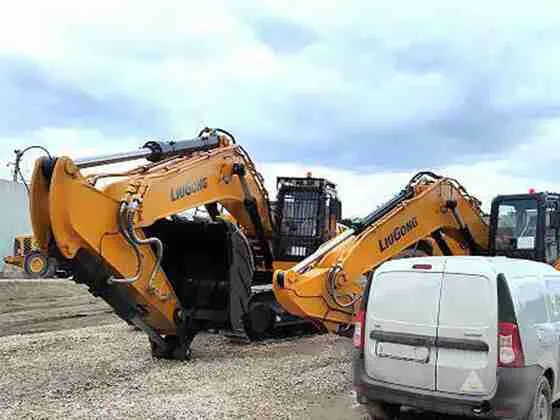


Boom and arm connections move continuously during digging, lifting, loading, and positioning. Automatic grease delivery helps maintain consistent lubrication at these frequently used joints without requiring operators to stop the machine repeatedly for manual greasing.

Bucket pins, linkage joints, and bushings experience repeated movement and substantial loads during excavation. These are among the most important areas to include when planning an excavator auto lube system.

Excavators contain multiple pin-and-bushing connections throughout the boom, arm, bucket, and attachment structure. Centralizing these points into an automatic greasing system can simplify routine lubrication management.

Depending on the excavator design, additional moving or rotating components may also require regular lubrication. These points can be incorporated into the system according to the actual machine configuration.

Excavators may operate with buckets, breakers, grapples, or other attachments. When additional lubrication is required, the automatic greasing solution can be configured around the excavator’s actual attachment and working application.
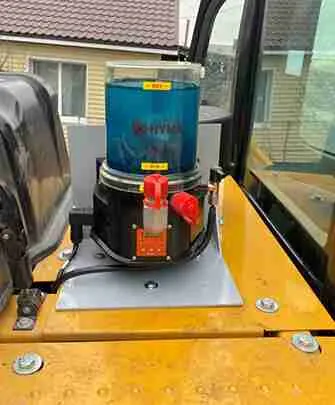
Mit unserer automatischen Schmierpumpe für Bagger können Sie die Arbeitseffizienz Ihres Baggers verbessern.
Merkmale

Wir liefern maßgeschneiderte automatische Schmierventile für Bagger, die zu Ihrem Schmiersystem passen.
Merkmale
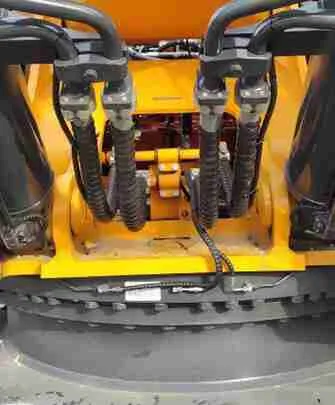
Sie können sich an HYMA wenden, um verschiedene automatische Schmierteile für Bagger zu beziehen.
Merkmale

Construction excavators frequently switch between digging, loading, grading, and material handling tasks. Repeated movement of the boom, arm, bucket linkage, pins, and bushings creates regular greasing requirements throughout the working day.
An automatic greasing system can help construction companies maintain more consistent lubrication while reducing dependence on operators stopping equipment for routine manual greasing.

Quarry excavators often work around rock, aggregates, dust, and abrasive materials. Heavy digging and loading cycles place continuous demands on bucket linkage, pins, bushings, and working joints.
A properly configured automatic greasing solution helps maintain regular lubricant delivery during operation and makes lubrication management easier for machines working long shifts in demanding quarry environments.

Mining excavators may operate for extended periods with high equipment utilization. Maintenance teams therefore need lubrication practices that can support demanding operating schedules without relying entirely on frequent manual greasing.
Automatic lubrication can provide consistent grease delivery to selected lubrication points while the machine operates. For large mining excavators, the system should be configured according to the machine model, working conditions, and actual lubrication layout.

Demolition excavators can experience intensive attachment movement and changing operating demands, particularly when using breakers, grapples, crushers, or other specialized attachments.
Lubrication requirements may therefore differ from those of a standard digging excavator. An application-specific automatic greasing solution can cover the excavator’s main lubrication points while taking additional attachment requirements into consideration.
HYMA provides single line, multi-line, progressive, and dual line lubrication systems, but the most suitable solution for an excavator depends on the machine size, lubrication point arrangement, working application, and existing equipment configuration.
Rather than selecting a lubrication system only by system type, excavator owners, fleet operators, dealers, and OEM manufacturers should first consider how the machine is actually used and what lubrication points need to be managed.

Geeignet für: Excavators with multiple centralized lubrication points.
Progressive lubrication systems are a common solution for excavators and other mobile heavy equipment. They can distribute lubricant sequentially across multiple points and are particularly suitable for centralized greasing of working components such as pins, bushings, and joints.
Best Fit:
Excavators · Loaders · Mobile Heavy Equipment

Geeignet für: Excavators requiring direct lubricant supply to multiple independent points.
Multi-line systems use multiple outlets to serve different lubrication points and can provide a straightforward solution for equipment where independent lubricant delivery is preferred.
Best Fit:
Excavators · Construction Machinery · Special Equipment

Geeignet für: Applications requiring a relatively simple centralized lubrication arrangement.
Single-line systems can be considered for selected excavator and construction equipment applications depending on the machine’s lubrication layout and operating requirements.
Best Fit:
Compact Equipment · Construction Machinery · Selected Excavator Applications
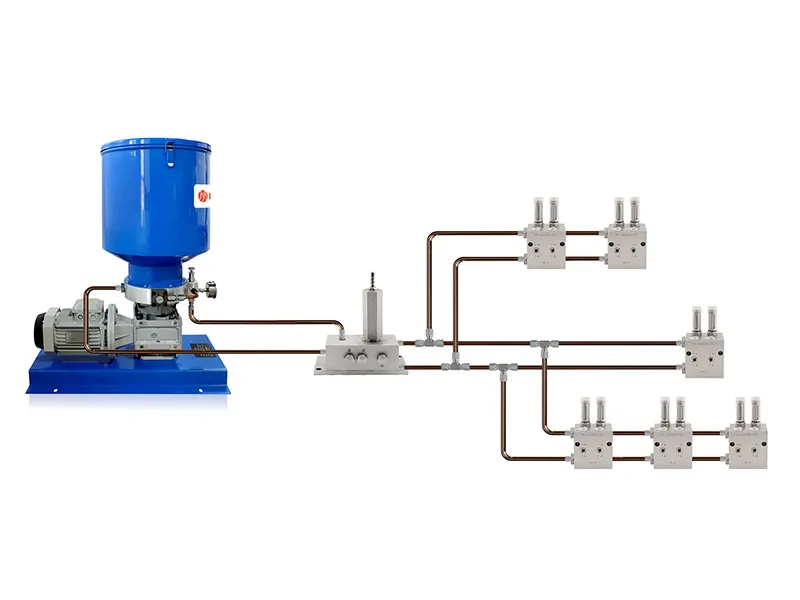
Geeignet für: Larger equipment and demanding lubrication applications.
Dual-line systems are generally more relevant where equipment has larger lubrication networks or demanding operating requirements. For excavators, suitability should be determined according to the machine size and actual lubrication layout rather than assuming that every excavator requires a dual-line system.
Best Fit:
Large Excavators · Heavy Machinery · Large Lubrication Networks
| System | Excavator Application | Typical Buyer Scenario |
|---|---|---|
| Progressiv | Multiple centralized grease points | Most common excavator applications |
| Mehrzeilig | Multiple independent lubrication points | Customized machine applications |
| Single-line | Simpler centralized applications | Selected compact or construction equipment |
| Dual-line | Larger lubrication networks | Large excavators and heavy-duty equipment |

Many excavators currently in operation still depend heavily on manual greasing. An automatisches Schmiersystem can be added to suitable existing machines to improve lubrication management without replacing the equipment.
This option is particularly useful for contractors and fleet operators managing excavators with demanding working schedules. The solution can be configured according to the excavator model, existing lubrication points, working application, and maintenance requirements.
For fleets containing different excavator brands or models, each machine can be evaluated separately rather than forcing one standard configuration across the entire fleet.
Geeignet für:

Excavator manufacturers, equipment dealers, and OEM partners may require automatic greasing systems for new machines before they are delivered to end users.
In this situation, the lubrication solution can be planned around the excavator design and intended application from an earlier stage. This makes it easier to match the greasing solution with the machine configuration and the requirements of the target market.
HYMA can work with equipment manufacturers and distributors on application-specific solutions for different excavator models, supporting both individual projects and ongoing supply requirements.
Geeignet für:
Tell us the manufacturer and model of your excavator. This gives us a clearer understanding of the machine type and helps us identify the appropriate lubrication solution for your equipment.
Let us know where and how the excavator is used, such as construction, quarrying, mining, demolition, or material handling. Different working conditions can create different lubrication demands.
Photos of the excavator and its main working components can help us better understand the equipment layout, particularly when the machine model has different versions or attachments.
Tell us whether your excavator currently relies on manual greasing, already has an automatic greasing system, or requires replacement or upgrading of an existing lubrication solution.
Share the problem you want to solve or the need to equip multiple excavators with a more standardized lubrication solution.
Das automatische Schmiersystem von HYMA für Bagger ermöglicht eine einfache Ölbefüllung, sodass Sie Fett sparen und die Schmierarbeiten abschließen können.
Sie können die Zuverlässigkeit Ihres Baggers ohne zusätzliche Kosten und Aufwand für die manuelle Schmierung sicherstellen.
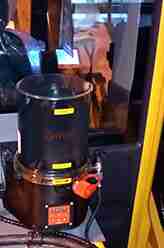
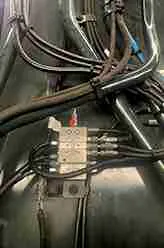
Mit unserem Handbuch können Sie das Fettventil ganz einfach warten.
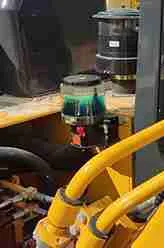
Sie können das Schmiersystem für Ihren Bagger problemlos bedienen.
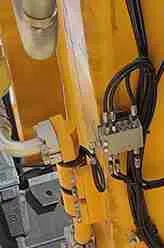
Wir können Ihnen bei der Installation des Schmiersystems mit Schulungsvideos und Vor-Ort-Support helfen.

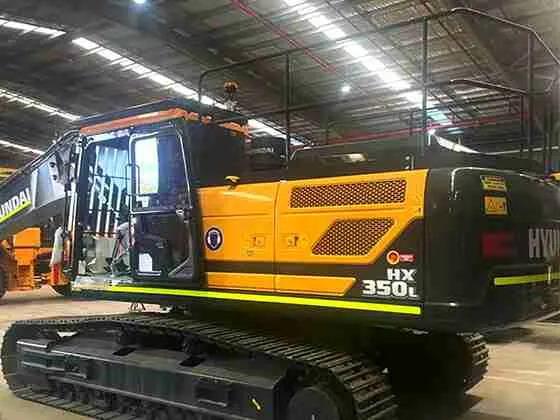
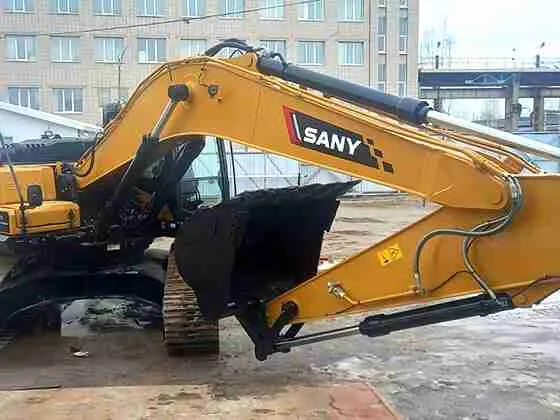
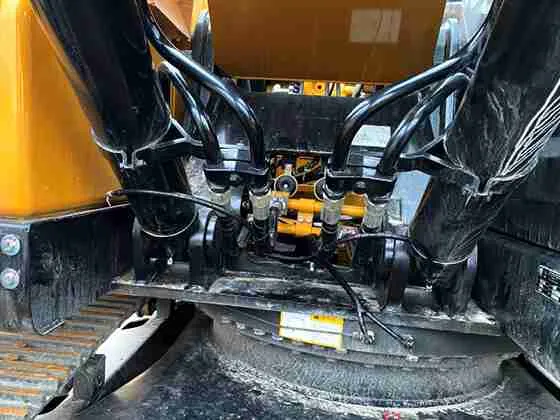
Unter dem Begriff „Automatisches Schmiersystem für Bagger“ versteht man das automatische Schmiersystem von Baggern.
Es besteht aus Schmierpumpen, zusätzlichen Ölleitungen, Dosiereinheiten, Steuerungen, Schmierstellenkonfigurationen und anderem Zubehör, um eine kontinuierliche Schmierung während des Baggerbetriebs zu gewährleisten.
Die automatischen Schmiervorrichtungen von HYMA für Bagger bieten unübertroffene Zuverlässigkeit und reduzieren Ausfallzeiten und steigern die Effizienz. Als vertrauenswürdiger chinesischer Hersteller legen wir Wert auf Präzision und Langlebigkeit. Unsere automatischen Schmiersysteme gewährleisten eine gleichmäßige Schmierung und schützen kritische Komponenten vor Verschleiß. Ohne Zwischenhändler oder Niederlassungen im Ausland bieten wir direkte, kostengünstige und maßgeschneiderte Lösungen für Händler.
Die automatischen Schmiervorrichtungen von HYMA für Bagger sind für raue Bedingungen konzipiert und verfügen über intelligente Sensoren und ein wartungsarmes Design, um Arbeitskosten zu sparen. Dank strenger Tests und reaktionsschnellem Support helfen wir Ihren Kunden, die Lebensdauer ihrer Geräte zu maximieren. Wählen Sie HYMA automatische Schmiervorrichtungen Für Qualität, die vor Ort überzeugt, und die Zusammenarbeit mit einem Lieferanten, der sich für Ihren Gewinn einsetzt. Lassen Sie uns gemeinsam den Weg zum Erfolg ebnen.
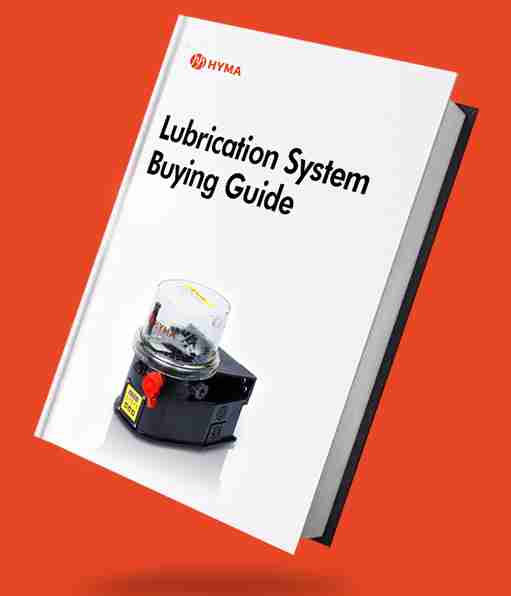
Die Wahl der richtigen automatischen Schmiervorrichtung für Ihren Bagger ist entscheidend für die Aufrechterhaltung der Effizienz und die Reduzierung von Ausfallzeiten. Hier finden Sie eine detaillierte Anleitung, die Ihnen bei Ihrer Entscheidung hilft.
Prüfen Sie zunächst die Spezifikationen Ihres Baggers, einschließlich Größe, Modell und Einsatzumgebung. Größere Bagger, die unter rauen Bedingungen eingesetzt werden, benötigen robuste Schmiergeräte mit hoher Kapazität und Langlebigkeit. Kompakte Bagger wie der Hitachi ZX30, der im städtischen Tiefbau verwendet wird, profitieren beispielsweise von platzsparenden Konstruktionen, die Fettverlust und -verunreinigung verhindern. Stellen Sie sicher, dass das Schmiergerät mit Ihrem Hydrauliksystem kompatibel ist, um Leistungsprobleme zu vermeiden.
Kontrollieren Sie regelmäßig den Fettstand und führen Sie Sichtprüfungen auf Verschleiß oder Leckagen durch. Beachten Sie die Wartungsintervalle gemäß den Herstellervorgaben, um die Effizienz zu erhalten und die Lebensdauer der Schmiervorrichtung zu verlängern. Eine ordnungsgemäße Wartung beugt teuren Reparaturen vor und gewährleistet einen reibungslosen Betrieb.
Ziehen Sie renommierte Marken wie Volvo in Betracht, die für ihre fortschrittlichen Kabinenkonstruktionen bekannt sind, welche sich gut mit Schmiersystemen integrieren lassen, oder Caterpillar, die langlebige und zuverlässige Optionen bieten.^ Bewerten Sie Kundenrezensionen und Garantiebedingungen, um Zuverlässigkeit und Leistung einzuschätzen.
Die Wahl des richtigen automatischen Schmiergeräts für Ihren Bagger erfordert ein ausgewogenes Verhältnis von Kapazität, Langlebigkeit und Kompatibilität mit Ihrer Maschine. Wenn Sie diese Richtlinien beachten, können Sie die Produktivität steigern, die Wartungskosten senken und die Lebensdauer Ihres Baggers verlängern. Investieren Sie klug, damit Ihre Maschinen in jeder Umgebung reibungslos funktionieren.
Yes. Many excavators already in operation can be upgraded with an automatic greasing system, even if automatic lubrication was not included when the machine was originally purchased.
This is particularly useful for contractors, equipment owners, and fleet operators who want to reduce reliance on routine manual greasing without replacing otherwise productive excavators. The solution should be matched to the individual machine rather than assuming that every excavator can use exactly the same configuration.
When planning an upgrade, provide the excavator brand and model, its current working application, and information about how it is currently lubricated. Machine photos can also help the supplier understand the equipment layout.
For companies operating several excavators, machines can be evaluated individually and then incorporated into a more standardized fleet lubrication strategy. This makes automatic greasing relevant not only for new machinery but also for existing construction, quarry, demolition, and mining excavators.
Not always. Excavators from different manufacturers—and even different models from the same manufacturer—can vary in size, working attachments, lubrication point layouts, and operating applications. For this reason, using exactly the same automatic greasing configuration across every machine is not always the best approach.
For a contractor or fleet owner operating multiple excavator brands, the better strategy is to standardize where practical while allowing the system configuration to be adapted to individual machines.
Start by creating a list of the excavator brands and models in your fleet. You can then group machines with similar applications and lubrication requirements and identify where common components or solutions may be suitable.
This approach is particularly useful for larger fleets because it balances standardization with machine-specific requirements. Instead of sourcing unrelated systems for every excavator, you can work with one lubrication manufacturer to develop a coordinated solution range covering different excavator models.
Fleet owners should focus on creating a consistent lubrication strategy without assuming that every excavator requires an identical system.
Begin by organizing your fleet according to excavator model, machine size, application, attachments, and current lubrication method. Construction excavators, demolition machines, quarry excavators, and mining excavators may have different operating demands even when they belong to similar equipment categories.
Once the fleet is mapped, identify which lubrication solutions can be standardized across multiple machines and which excavators require application-specific configurations. This can simplify purchasing, operator familiarization, replacement planning, and ongoing maintenance management.
It is also useful to work with a supplier capable of supporting several excavator models rather than sourcing each machine independently from different vendors.
For growing fleets, think beyond the immediate machine. A scalable automatic greasing strategy should make it easier to add new excavators later while maintaining a manageable and consistent lubrication program across the fleet.
Yes. The attachments used on an excavator can influence its lubrication requirements, especially when the machine performs more than standard digging and loading work.
A conventional bucket application may have different lubrication demands from an excavator regularly operating with a hydraulic breaker, grapple, crusher, or other specialized attachment. Attachment changes can introduce additional moving points or create different working patterns that should be considered when planning the greasing solution.
When requesting an automatic greasing system, tell the supplier not only the excavator brand and model but also which attachments are normally used. If attachments are changed frequently, mention this as well.
For contractors operating specialized excavators, this application information can be more useful than simply providing the machine model.
The goal is not to select an automatic greasing system based only on the excavator nameplate, but to develop a lubrication solution around how the excavator actually works in daily operation.
Yes. If an excavator already has an automatic greasing system, you can evaluate whether the existing solution should be replaced, upgraded, or adapted rather than automatically returning to manual lubrication.
There are several reasons equipment owners consider replacement. The original system may no longer suit the machine’s current application, replacement components may be difficult to source, the excavator may have been modified, or the owner may want to standardize lubrication systems across a larger fleet.
Before requesting a replacement, provide information about both the excavator and the existing greasing system. Photos of the current installation are particularly useful because they allow the supplier to understand how the machine is presently configured.
For fleet operators, replacement can also be an opportunity to simplify future lubrication management. Instead of maintaining several unrelated systems across different excavators, you may be able to develop a more consistent solution strategy with a single long-term lubrication supplier.
Yes. Excavator dealers and heavy equipment distributors can source complete automatic greasing solutions rather than purchasing individual lubrication components separately for every customer requirement.
For dealers, the important issue is building a product offering that can serve several common excavator applications. Customers may operate different brands, machine sizes, attachments, and working environments, so a single fixed kit may not be suitable for every request.
A practical approach is to work with an automatic lubrication manufacturer that can help organize solutions around common excavator applications while supporting customization when necessary.
This allows dealers to respond to customer inquiries without maintaining expertise in every possible lubrication configuration themselves.
Before developing a product range, consider which excavator brands and models are most common in your market, what types of customers you serve, and whether demand mainly comes from construction, quarrying, mining, demolition, or mixed applications. This information helps manufacturers support a more commercially useful distributor product range.
Distributors do not need to determine every lubrication configuration independently. A better approach is to establish a simple information-collection process and work with the manufacturer to match solutions to individual customer applications.
When an excavator customer contacts you, first collect the machine brand and model. Then determine whether it is an existing-machine upgrade or a solution for new equipment. Ask where the excavator operates and whether it uses standard or specialized attachments. Photos are also helpful when the application is less familiar.
This creates a repeatable sales process that distributors can use across different customers.
Instead of telling every buyer to choose between pumps, valves, and other components, the distributor can focus on understanding the customer’s equipment and application while the manufacturer supports solution selection.
Over time, distributors can also identify frequently requested excavator models in their markets and develop a more standardized product offering for those machines, making future customer inquiries easier to manage.
Automatic greasing products can potentially be developed around a distributor’s market requirements, but the exact scope of customization and private-label support should always be confirmed with the manufacturer before establishing a program.
For excavator distributors, customization may go beyond placing a different brand on a product. A useful distributor program should consider the excavator applications commonly sold in the local market, the product range customers require, packaging and documentation needs, and how future replacement or expansion orders will be handled.
Distributors should therefore start by identifying their target customer group. A dealer serving construction contractors may require a different product mix from one supplying quarry or mining excavators.
For larger or recurring requirements, discuss expected applications and cooperation plans directly with the manufacturer. HYMA can evaluate distributor and OEM requirements and determine which customization options are appropriate for the intended excavator market rather than treating private-label cooperation as a simple branding exercise.
Distributors should choose a manufacturer based on its ability to support their customers over the long term, not simply on the number of lubrication products listed in a catalog.
Application support is particularly important. Your customers may operate different excavator brands, models, attachments, and working environments, so the manufacturer should be able to understand individual requirements and help you recommend appropriate solutions.
Also consider whether the manufacturer can support both individual customer projects and repeat distributor orders. As your business grows, you may need solutions for additional excavator models or other heavy equipment applications.
Customization capability, communication efficiency, product range, OEM cooperation, and ongoing supply support are therefore important considerations.
A strong manufacturing partner should make it easier for you to serve your own customers. The goal is to establish a product and support system that allows your distributorship to handle different excavator inquiries efficiently and expand into additional lubrication applications over time.