


The dual-line lubrication system is a high-pressure centralized solution designed for industrial applications with numerous lubrication points.
Its core components include two alternating oil supply lines connected to a network of dual-line distributors . During operation, pumps deliver grease sequentially through each main line, activating piston mechanisms in the distributors to meter precise lubricant quantities to individual bearings or friction surfaces .
This system excels in large-scale operations like steel mills and mining equipment, where traditional lubrication methods prove inefficient . The parallel line configuration allows continuous operation – while one line actively supplies grease, the other remains depressurized for immediate readiness . Advanced pressure monitoring through terminal switches ensures operational reliability by detecting line blockages or pressure anomalies .
For heavy-duty machinery that can’t afford downtime, HYMA’s Dual Line Lubrication System delivers pinpoint grease control under extreme conditions. Unlike single-line alternatives, our dual line grease lubrication system ensures even distribution across multiple bearings—whether in Moroccan quarries or German auto plants.
Dealers choose HYMA because we engineer reliability into every dual line grease system: corrosion-resistant valves, 25% faster cycle times, and a modular design that adapts to any fleet.
HYMA delivers complete dual-line lubrication components for industrial machinery, engineered for rapid deployment and cost efficiency. we prioritize reliability. Our Components undergo rigorous testing to match steel mills, mining rigs and more industries.
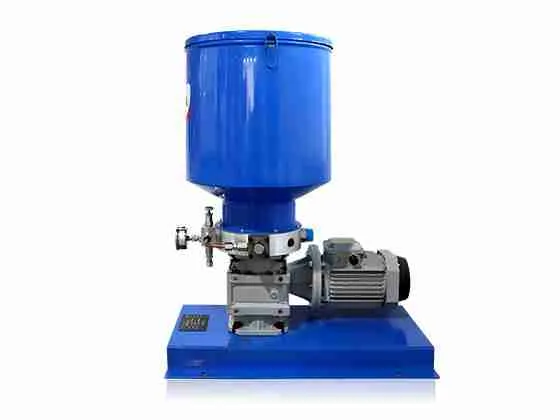
HYMA Dual-Line lubrication pump features in high-pressure precision with durable quality.

The directional switching valve injects pressure alternately into the two main pipes to inject grease into each distribution valve.

The double-line distribution valve has two grease oil inlets connected to two pipes to achieve the distribution and delivery of grease.

The terminal pressure switch is used to detect the pressure and send an electrical pulse signal to the control unit.
HYMA delivers top-tier industrial lubrication solutions with our premium Dual Line Lubrication System, engineered for heavy-duty applications in mining, steel, and manufacturing. As a trusted Dual Line Lubrication System supplier, we ensure reliable performance with our dual line grease lubrication system, reducing downtime and maintenance costs.
The dual line grease system features precise metering and robust construction, ideal for harsh environments. Competitive Dual Line Lubrication System price makes HYMA your cost-effective partner. Upgrade to our advanced dual line system for unmatched efficiency—contact HYMA today for global distributor opportunities!
HYMA dual-line lubrication systems is engineered for demanding industrial environments, delivering precision and reliability across steel plants, mining machinery and automotive production lines.
Our systems utilize alternating pressure lines to ensure uninterrupted grease supply with stable performance in high-vibration machine like crushers or conveyor systems.
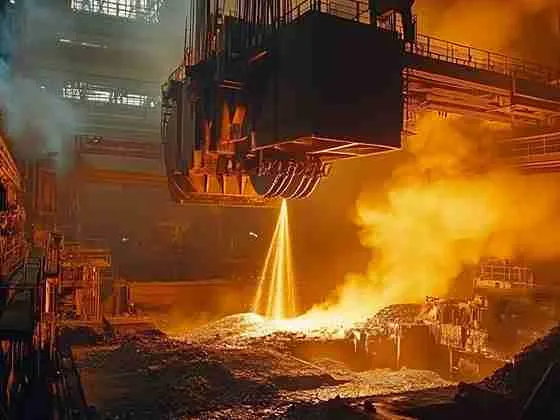
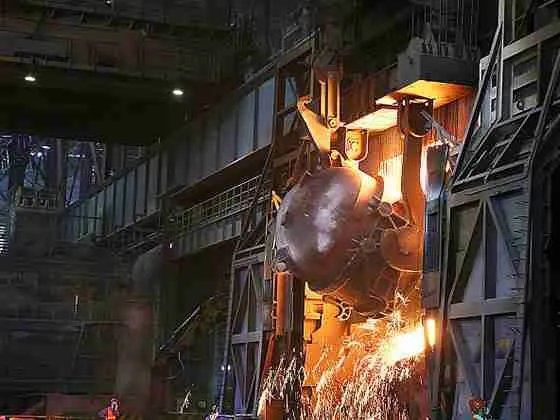
HYMA Dual Line lubrication system ensures continuous high-pressure grease supply to rolling mills and blast furnace equipment, reducing wear under extreme temperatures.
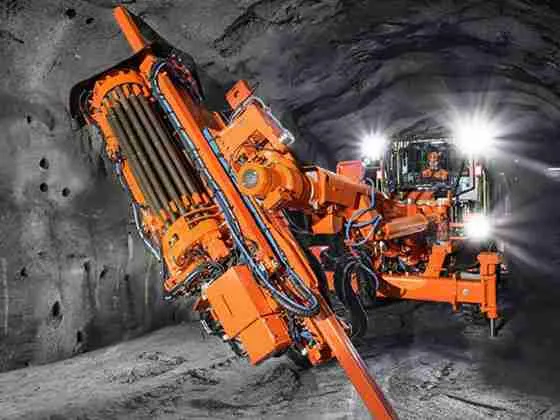
HYMA’s corrosion-resistant Dual Line lubrication system ensures precise grease delivery for mining rigs, draglines, and haulers in dusty conditions.

HYMA Dual Line Lubrication system ensures stable pressure stability for robotic arms and stamping presses, minimizing downtime with modular adaptability.

You can improve Heavy Euipment such as construction machine working efficiency and save more cost with HYMA dual line lubrication system
Dual-line lubrication system operates through two alternating main supply lines connected to a network of distributors.
During operation, high-pressure pumps (rated for 40MPa+) deliver grease sequentially through each line, activating piston mechanisms within the distributors to meter precise lubricant quantities to individual bearings or friction points.
As one line pressurizes to supply grease, the other depressurizes, ensuring continuous lubrication readiness.
This alternating cycle prevents lubricant stagnation, maintaining optimal viscosity even in high-temperature industrial environments like steel mills or mining equipment
Begin by evaluating the system type: opt for a loop-style configuration if lubrication points are concentrated, as it ensures reliable pressure-driven switching via return pipelines. For distributed points, a terminal-style system (electromagnetic reversing valve) offers flexibility through electrical control, allowing remote adjustments.
Verify compatibility with your lubricant type, ensure it matches the system’s viscosity range.
Prioritize ease of maintenance: select units with accessible components for grease replenishment and valve adjustments. Ensure the system’s expandability aligns with future operational needs.
Finally, assess installation conditions; outdoor or harsh environments require weatherproofing or protective enclosures to sustain performance.
HYMA dual-line lubrication systems balance competitive pricing with industrial-grade performance. Pricing factors include system scale, pressure tolerance and material specifications like corrosion-resistant steel lines or polymer tubing.
Modular designs reduce installation costs by enabling component reuse across applications like steel mills or mining rigs.
As a premier automatic greasing system manufacturer, HYMA leverages streamlined production to offer 20–30% cost savings versus imported equivalents. Bulk orders qualify for tiered discounts, while standardized kits minimize customization fees.
Transparent quotes include FOB/CIF and more flexible terms. Request a price list tailored to your project lubrcation needs from HYMA now.

HYMA is China-based automatic Lubrication System manufacturer, specializes in dual-line lubrication systems designed for heavy machinery across wide industries. Our grease systems integrate pressure rated lube pumps, progressive distributors and corrosion-resistant pipe lines to ensure uninterrupted grease delivery in extreme conditions.
With strong OEM expertise, HYMA double line lubrication system undergo rigorous testing to meet global quality requirements, guaranteeing reliability for high-vibration equipment like crushers and conveyor systems.
Key advantages include:
Trusted by leading European heavy machinery brands, HYMA combines agile logistics with scalable designs. Request a quote to explore tailored configurations for your lubrication operation needs now.
A dual line lubrication system operates using two main supply lines that are pressurized alternately. This alternating pressure cycles a pilot-operated change-over valve, which triggers the metering valves to dispense a precise amount of grease to the lubrication points. Unlike single-line systems that rely on a spring-return mechanism, or progressive systems where a single blockage can halt the entire series, the dual-line system is parallel.
For maintenance beginners, understanding this “parallel” nature is crucial. In a progressive system, the lubricant follows a single path; if one bearing is blocked, the whole system builds back-pressure and stops. In a dual line lubrication system, each metering valve operates independently of the others. This makes it the superior choice for large-scale operations like steel mills or cement plants where equipment is spread over vast distances. Because it utilizes two lines, it can effectively handle very long distances (up to 100 meters or more) and high pressures without losing the accuracy of the dosage. For distributors, this is a key selling point: it offers a level of system “redundancy” and reliability that single-line systems simply cannot match in heavy-duty environments.
Pressure issues in a dual line lubrication system usually stem from three sources: air entrapment in the lines, a malfunctioning change-over valve, or leaks at the fittings. Troubleshooting begins by checking the pressure gauges at the pump and the end-of-line pressure switches to ensure the cycle is completing.
For an entry-level technician, the first step is often “bleeding” the system. Air is compressible, whereas grease is not; if air enters the dual line lubrication system, the pressure won’t build high enough to trip the change-over valve, causing the system to “stall” in one phase. Distributors should highlight that high-quality Chinese alternatives now include integrated pressure sensors and digital displays that make this diagnosis much easier than older manual models. If the pump is running but pressure isn’t rising, check the relief valve. If pressure rises too fast, look for a blockage in the main lines. By understanding the relationship between the two main lines, a technician can quickly determine if the fault lies in the power unit or the distribution network.
Yes, a dual line lubrication system is highly adaptable and can be retrofitted onto existing machinery. The primary requirement is mounting space for the pump station and the routing of two main pipes along the machine’s chassis to the various lubrication zones.
For maintenance novices, the idea of “retrofitting” might seem daunting, but the dual line lubrication system is actually quite “forgiving.” Because it operates in parallel, you don’t need to rewire the entire machine. You simply mount the pump, run the twin main lines, and tap into them with metering blocks near your lubrication points. For distributors, this modularity is a massive advantage when pitching to clients who want to upgrade from manual greasing. You can sell the system in stages—starting with the most critical bearings and expanding later. When sourcing from China as a affordable alternative, ensure the thread types (BSP vs. NPT) match the existing machinery’s standards to ensure a “plug-and-play” experience without needing custom adapters.
The dual line lubrication system is versatile but performs best with NLGI 000 to NLGI 2 grade greases. The choice depends on the ambient temperature and the length of the piping; longer lines generally require a softer grease (lower NLGI grade) to reduce flow resistance.
One of the biggest mistakes beginners make is using grease that is too thick for the climate. In cold environments, NLGI 2 grease can become almost solid, causing the dual line lubrication system to fail due to high line resistance. Conversely, in a high-heat environment like a foundry, a grease that is too thin might leak out of the bearings. For distributors, providing a “lubricant compatibility chart” with your hardware is a value-added service. Since many users are switching from brands like Graco, they expect the hardware to handle the same heavy-duty EP (Extreme Pressure) greases. Chinese systems that feature high-torque motors and heavy-duty followers are particularly well-suited for these demanding lubricants, ensuring the alternative doesn’t just save money, but actually performs.
A dual line lubrication system extends equipment life by providing “micro-dosing” at frequent intervals. This maintains a constant “grease seal” around the bearing, which prevents dust, water, and contaminants from entering while ensuring the friction surfaces are never dry.
Manual lubrication is often a “feast or famine” cycle—the bearing is over-greased once a week and under-greased the rest of the time. This causes heat buildup and premature wear. The dual line lubrication system changes the game by delivering small, precise amounts of grease every few hours while the machine is actually running. This is critical because grease distributes best when the bearing is in motion. For the distributor, the ROI (Return on Investment) story is easy to tell: the cost of a dual line lubrication system is a fraction of the cost of a single unplanned bearing failure in a mining excavator or a conveyor system. By highlighting the reduction in friction and heat, you are selling “insurance” for the customer’s multi-million dollar assets.
Safety during a dual line lubrication system refill involves ensuring the system is depressurized, using proper PPE to avoid high-pressure injection injuries, and using a clean, dedicated filling pump to prevent contamination.
Novices often underestimate the pressure within these systems, which can exceed 300 bar (4,350 psi). Opening a line under pressure can be fatal. Distributors should provide clear safety labeling and perhaps even “quick-connect” filling nipples that prevent the system from being opened to the atmosphere. When refilling a dual line lubrication system, it is also vital to check the breather filter on the reservoir. If the breather is clogged, the pump may create a vacuum or over-pressure the tank, leading to structural damage. Safety is a major selling point for premium-seeking distributors; by showing that your Chinese-sourced system includes safety valves and pressure-release protocols, you build trust with customers who are used to European safety standards.
High-end Chinese-made dual line lubrication system components now utilize similar materials to global leaders, including high-tensile carbon steel, corrosion-resistant stainless steel, and specialized nitrided coatings for pistons to ensure wear resistance.
As a distributor, your biggest hurdle is the “Made in China” stigma. However, the gap has closed significantly. Many factories producing similar systems use the same CNC machinery and heat-treatment processes as European brands. When evaluating a dual line lubrication system, look at the pump’s piston material and the sealing technology. Leading Chinese manufacturers now use imported seals (like NAK or SKF seals) to ensure leak-free performance. By highlighting these specific technical details—such as “40Cr steel with HRC 58-62 hardening”—you can demonstrate to a sophisticated buyer that the alternative is a high-quality alternative, not a “cheap copy.” This is how you win over customers who are tired of paying the “brand tax” but still require industrial-grade durability.
Chinese manufacturers are generally very flexible, offering the ability to customize reservoir sizes, motor voltages, and even branding/color schemes for the dual line lubrication system to meet the specific needs of a distributor’s local market.
For a distributor, this is a massive advantage over brands like Graco or SKF, which are often rigid in their offerings. If you have a customer in the mining industry who needs a 100kg stainless steel reservoir for a dual line lubrication system, a Chinese partner can often design and build it in weeks. This allows you to build your own brand. You can sell a “Distributor-Branded” dual line lubrication system that is tailored perfectly to your local climate and industry requirements. This customization builds customer loyalty to you, the distributor, rather than a distant multinational corporation.
Yes, many Chinese manufacturers design their dual line lubrication system metering valves and pump stations to be “drop-in” replacements, meaning they share the same mounting hole patterns, port sizes, and thread specifications as brands like Lincoln or Farval.
This is the “Holy Grail” for distributors. If a customer has a failing SKF system but doesn’t want to spend $10,000 on a replacement pump, you can offer a Chinese dual line lubrication system pump that bolts onto the same plate and connects to the same pipes for 40% less cost. For the maintenance technician, this means no new holes to drill and no new pipes to bend. When marketing these products, always specify compatibility: “Compatible with Lincoln Centromatic or SKF Duo-Matic.” This clarity reduces the perceived risk for the buyer and makes the transition to a more cost-effective dual line lubrication system seamless.
Early warning signs include a gradual increase in cycle time, grease leaking from the over-pressure relief valve, or specific lubrication points appearing dry. If the pump runs longer than usual to reach the “switch-over” pressure, there is likely an internal bypass or a significant leak.
For beginners, the dual line lubrication system might seem like a “set it and forget it” tool, but it requires an observant eye. A change in the “sound” of the pump or visible grease pooling around a metering block are red flags. Distributors should educate their customers on the “cycle timer” settings. If a system that usually cycles in 5 minutes suddenly takes 10, the pump elements may be wearing out, or the grease may be oxidizing in the lines. Detecting these issues early prevents a total system shutdown. When offering Chinese alternatives, emphasize the inclusion of “visual indicator pins” on the metering valves, which allow a technician to walk by and see at a glance if every point is receiving grease without needing complex tools.