
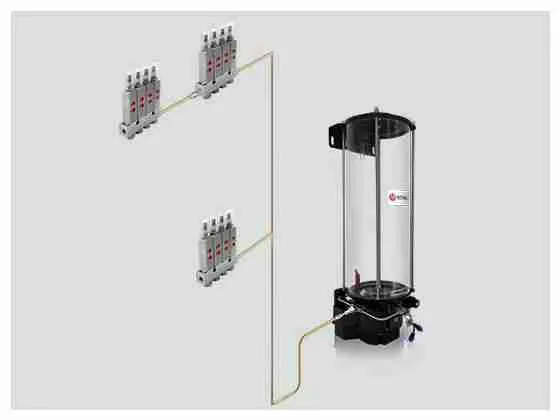
Single Point Lubrication System is known as Single Line Automatic Lubrication System, it is the most simple automatic greasing system with single lubrication point to the machine.
Failure of a single point lubrication system will not affect other lubrication points. You can use it in complex situations and adjust the lubrication period in a flexible way.
HYMA supply Single-Line Lubrication System with durable automatic greasing pump, grease metering valve block and control units to help you save lubrication cost and time for your machine. You will get faster response and 24*7 technical support for your lubrication project.
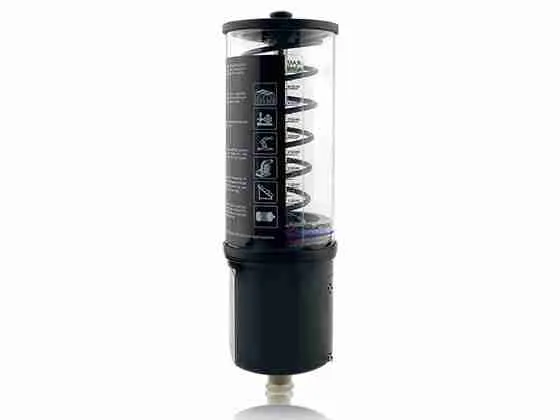
HYMA Single-line Automatic lubricator feature in advanced sealing technology to avoid leakage during the greasing period.
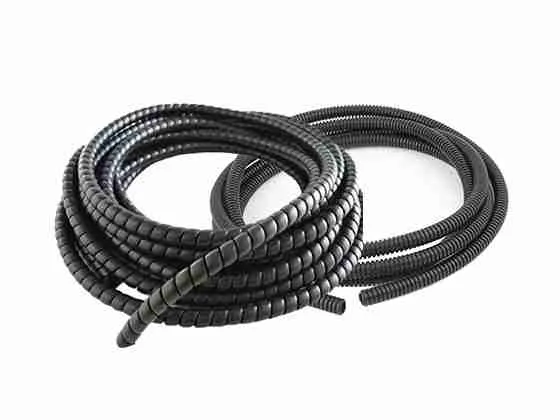
Our Auxiliary oil pipeline can meet different working conditions with flexible pressure output capacity.
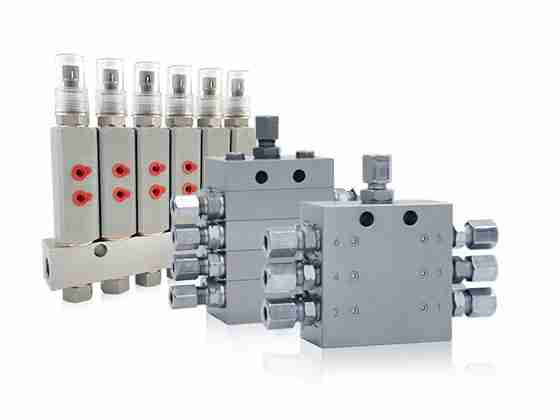
Your SLR lubrication system will reach better greasing effect at stable performance with HYMA Grease Metering Valve.
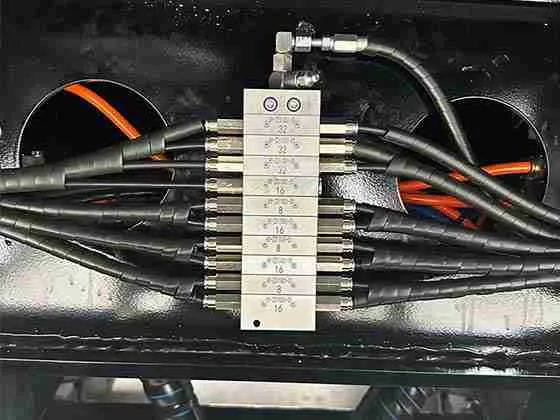
Our single point greasing system equipped with inteligent Lubrication Controller to enable precise control on lubrication.
HYMA single-point lubrication system is widely used in various places where lubrication is required. It can also reasonably select and design lubrication methods, lubrication systems and devices according to the actual working conditions of various equipment.
HYMA’s Single Line Lubrication Systems deliver precision performance across critical industries where equipment reliability can’t be compromised. In automotive manufacturing plants, our systems maintain perfect greasing intervals for robotic assembly arms and heavy stamping presses, preventing costly production halts. Mining operations trust HYMA’s rugged designs to protect draglines and haul trucks from abrasive dust and extreme vibrations that would cripple conventional lubricators.
Food processing facilities benefit from our NSF-compliant models that withstand frequent washdowns while ensuring hygienic lubrication of conveyor chains and packaging machinery. The marine sector relies on our corrosion-resistant single line systems to handle saltwater exposure on deck cranes and winches. Even in challenging environments like steel mills or cement plants, HYMA’s thermal-resistant materials and precision metering valves outperform competitors, extending bearing life by up to 40% in field tests.
With customizable pressure settings and visual monitoring features, HYMA gives distributors a technical edge in markets demanding foolproof lubrication solutions. Contact our engineering team to discuss application-specific configurations for your territory.

You can use HYMA Single Line Lubrication System For Conveyor to ensure continuous running.
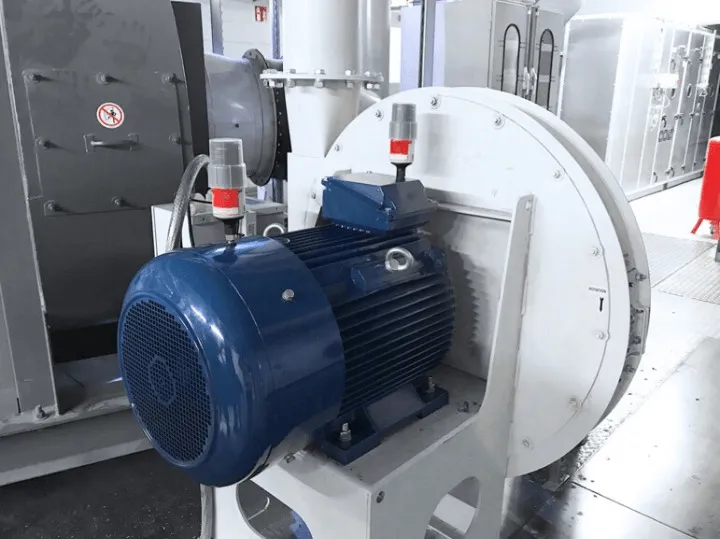
Our Single Line Greasing System can improve your Electric Motor working efficiency.
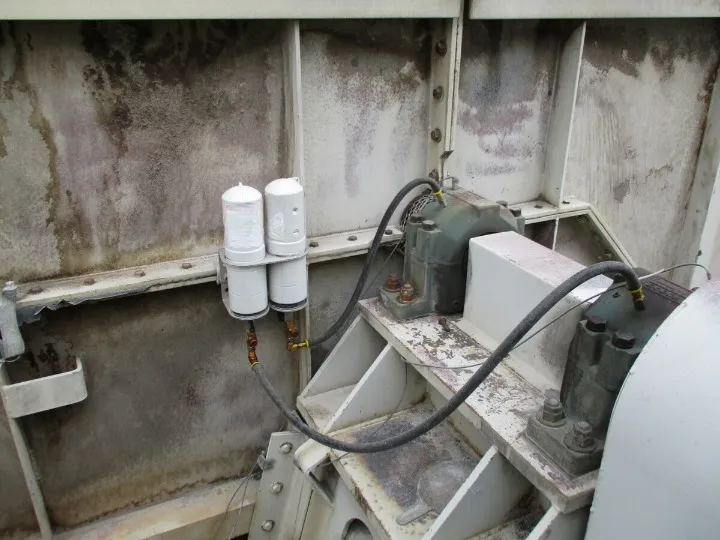
Your Blower machine will get better greasing with our Single Line Lubrication System.
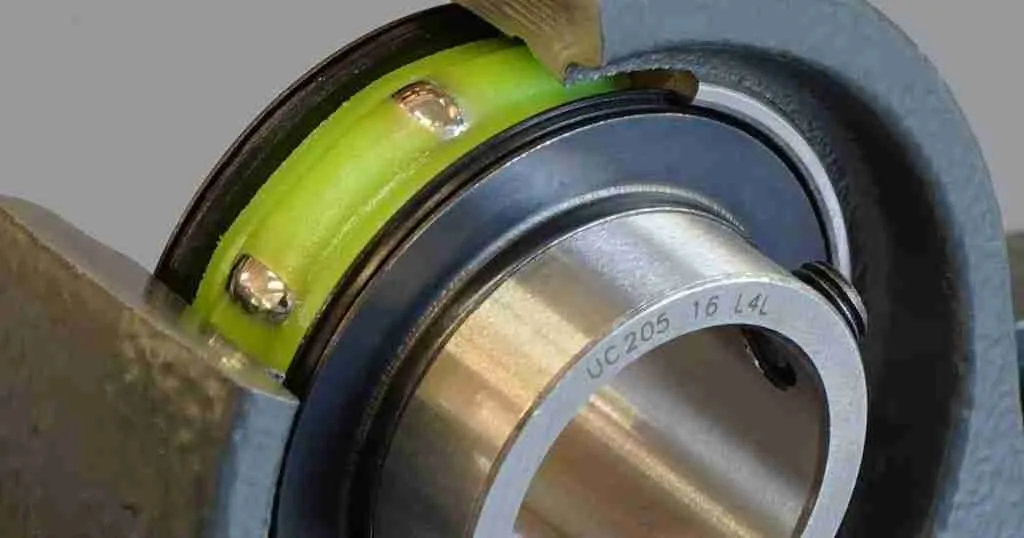
We provide Single Line Lubrication System to help you lubricate bearing in simple and easier way.
HYMA Single-point lubrication system is a lubrication method suitable for a variety of industries and applications, especially for complex working conditions. You will have a better greasing solution with our SLR Lubrication System.

You can ensure the wind turbines equipment in smooth operation with HYMA Single Point Lubrication System.

HYMA Single Point Automatic Lubrication System will reduce steel plant manufacturing equipment maintenance costs.

HYMA can help Petrochemical Industry improve the machine working efficiency with Single Point Lubrication System.

HYMA has rich experience on mining and coal industry lubrication with Single Point Lubricator and Automatic Lubrication System.
Single-point lubrication system usually consist of a lubrication pump, a lubricant reservoir, a pipeline and a lubrication point.
Its working principle is to provide lubricant to the friction parts of the equipment through a certain pressure and flow rate to reduce the wear and friction of the equipment and improve the reliability and service life for your machine.
When the compression spring of the single-point lubricator is loosened, the grease in the grease storage tank naturally flows to the lubrication point; when the compression spring contracts, the grease will be pressed from the grease storage tank into the lubrication point, thus achieving quantitative oil supply to the lubrication point each time.
When selecting a single-line lubrication system, attention should be paid to the system’s automation level and reliability.
You need to consider the working conditions for the single point greasing system.
The single-line lubrication system must not only meet the lubrication needs of the equipment during operation, but also adapt to the working state and usage environment to avoid premature damage due to friction, temperature and noise.
The lubrication system supplied with lubricating oil should be kept clean to prevent pollution caused by external dust intrusion and damage to the friction surface, so as to improve the reliability of use.
Single point lubrication system price is different with the components and design types. The cheapest Single point lubrication system price might start at $100 but it could not be suitable for your project.
You should confirm your Single point lubrication system price with the working conditions, greasing method and lubrication points, etc.
A reliable Single point lubrication system always made of high grade Single point lubricator and relatred spare parts to ensure the stable performance on your application.
The best way to know Single point automatic lubrication system cost is to discuss your greasing work with the suppliers to get an exact price.
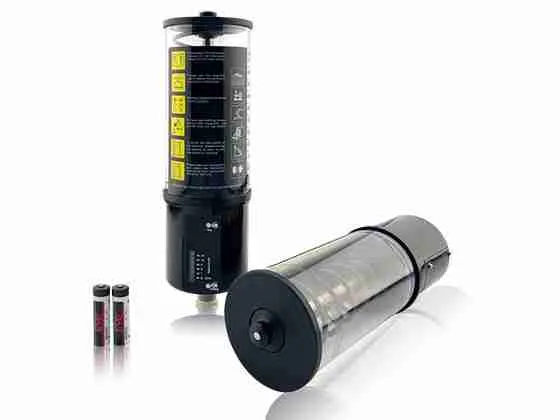
The HYMA difference begins with our modular single point lubricator designs, allowing flexible configurations for diverse applications – from conveyor systems in food processing plants to heavy-duty presses in automotive manufacturing. Unlike conventional greasing methods, our Single Point Lubrication technology ensures measured lubricant delivery through durable single line lubrication system architectures, eliminating both under- and over-lubrication scenarios that accelerate component wear.
What sets HYMA apart in the single point automatic lubricators market? Our R&D team obsesses over three fundamentals: corrosion-resistant housings that outperform industry standards, field-serviceable valve mechanisms that reduce replacement costs, and intuitive pressure indicators that maintenance crews appreciate. The result? Distributors gain a competitive edge with systems that demonstrate 30% longer service intervals in third-party testing compared to typical market offerings.
HYMA is leading Single Point Lubrication System Manufacturer with 3000+ projects in worldwide. We have large manufacturing factory with international brands processing machines to produce and develop Single Line Lubrication Systems.
Whether you are the end consumer or distributor, you will get fast support to solve your problem from HYMA team. Our engineers are available to your local place and you can also get operation and maintenance guide from our manual docs.
You will skyrocket your business with our single point automatic lubrication system. All of our automatic lubrication system meet industry requirements with full testing and quality inspection.
In industrial environments where machinery reliability is non-negotiable, HYMA stands as a leading Single Point Lubrication System Manufacturer delivering innovative solutions since [year established]. Our engineered Single Point Lubrication Systems represent the next evolution in targeted equipment care, combining German-grade precision with manufacturing affordability that global distributors demand.
For distributors serving mining, marine or manufacturing sectors, our Single Point Lubrication solutions translate to fewer customer complaints and higher repeat orders. Our single line lubrication system features revolutionary moisture-blocking technology particularly valuable in tropical climates.
Beyond products, HYMA invests in your distribution success through:
With advanced production facilities and streamlined export processes, we make cross-border partnerships effortless. Whether you’re expanding into emerging markets or upgrading existing product lines, HYMA’s Single Point Lubrication Systems deliver the profit margins and reliability your business deserves.
Contact our international sales team to discuss territory-specific pricing and OEM opportunities. Let’s build machinery longevity – one precision-lubricated point at a time.
A single-line lubrication system is an automated method designed to deliver precise amounts of lubricant ( grease or oil) to multiple points in machinery through a single supply line, ensuring efficient and uniform lubrication.
This system features a central pump that pressurizes the lubricant, which is then distributed via a main line to individual lubrication points through valves or metering devices.
It eliminates manual lubrication errors, reduces maintenance labor, and optimizes equipment performance by preventing wear and overheating. Ideal for industrial applications like manufacturing or mining, it enhances reliability and extends machinery lifespan.
Key components include the pump, control unit, and distribution lines, all working together to maintain consistent lubrication levels and minimize downtime.
The purpose of a single-line lubrication system is to deliver precise amounts of lubricant to multiple points in machinery, ensuring efficient and uniform lubrication to minimize wear, reduce friction, and extend equipment lifespan.
Single-line lubrication systems are designed for industrial applications where manual lubrication is impractical. They use a central pump to distribute grease or oil through a single line to designated points, eliminating human error and ensuring consistent coverage.
This automation enhances operational reliability, reduces maintenance costs, and prevents downtime caused by inadequate lubrication. Ideal for heavy machinery in manufacturing, mining, or automotive sectors, these systems optimize performance by maintaining optimal lubrication levels, thus protecting components from corrosion and heat damage.
In single-line lubrication systems, there are two primary types of single-point lubricators: mechanical (e.g., grease guns or manual pumps) and automatic (e.g., progressive or metered dispensers).
Mechanical single-point lubricators require manual operation, making them suitable for small-scale or low-frequency applications. Automatic lubricators, however, integrate with the system’s control unit to dispense precise amounts of grease at scheduled intervals, ideal for large-scale industrial equipment.
Both types ensure targeted lubrication to reduce wear and extend machinery life. When selecting a lubricator, consider factors like application frequency, environmental conditions, and maintenance needs. For optimal performance, choose models compatible with your system’s pressure and viscosity requirements.
For high-quality single-line lubrication systems, trusted suppliers include industry leaders like SKF and HYMA, known for advanced lube solution such as single, dual, multi and progresssive lubrication system, and specialized manufacturers in China Henan Province, which excels in precision components.
Sourcing single-line lubrication systems requires evaluating suppliers based on technical expertise, production scale, and compliance with industry standards. Key regions like Henan Province in China offer robust supply chains for cost-effective and reliable components, supported by mature metalworking capabilities and efficient logistics.
Additionally, global leaders such as HYMA provide innovative solutions like the single point lube system, designed for durability and adaptability across diverse climates, ensuring optimal performance in industrial applications.
When selecting a lubrication system supplier, prioritize those with certifications, scalable production, and a track record of delivering tailored lubrication management solutions to enhance equipment longevity and operational efficiency.
A single line lubrication system operates on a “parallel” pressurized cycle. A central pump sends lubricant through a single main supply line to multiple metering devices (injectors). These injectors act like small syringes that discharge a precise, pre-set amount of grease to each point simultaneously. Once the cycle is done, the system vents pressure back to the reservoir so the injectors can reset for the next shot.
For a beginner, the transition from manual greasing to an automated single line lubrication system is like moving from a handheld garden hose to a precision irrigation system. Manual greasing is prone to “human error”—either over-greasing (which blows out seals) or under-greasing (which causes friction-related failure). In a manual setup, you are also limited by accessibility; if a bearing is behind a safety guard or 10 feet in the air, it likely gets ignored.
A single line lubrication system removes the guesswork. Because it works on a timed cycle, it delivers “small amounts, frequently.” This maintains the ideal “grease film” inside the bearing at all times. For a distributor, explaining this transition is key to selling the ROI. While the upfront cost is higher than a grease gun, the reduction in downtime and the extension of bearing life by up to 50% make the single line lubrication system a mandatory upgrade for modern industrial or mobile equipment. It transforms maintenance from a reactive “fix it when it squeaks” task into a proactive, hands-off reliability strategy.
The system consists of four primary parts: 1) A Central Pump Station (reservoir and motor), 2) a Controller/Timer (to trigger cycles), 3) Supply Lines (the “artery” of the system), and 4) Metering Devices/Injectors (the “valves” that measure the grease for each point).
Understanding these components is essential for anyone troubleshooting a single line lubrication system. The pump is the heart; it must be powerful enough to push grease through long lines, especially in cold weather. In many high-quality Chinese alternatives, these pumps now feature integrated controllers, making the footprint smaller and the installation easier for novices.
The most critical part, however, is the injector (often called a “dispensing valve”). In a single line lubrication system, these injectors are arranged in manifolds. Each injector is independent. If you have 10 bearings, you use a manifold with 10 injectors. This modularity is a huge selling point for distributors. If a customer adds a new part to their machine, they can simply add another injector to the single line lubrication system without redesigning the entire network. Furthermore, high-end “substitute” systems often use carbon steel or stainless steel components that match the material specs of brands like Lincoln, ensuring that the single line lubrication system can withstand harsh mining or construction environments.
Most systems are designed for NLGI #000 to NLGI #2 grease. However, compatibility depends on the pump’s “pumpingability” and the diameter of the supply lines. A standard single line lubrication system handles most multi-purpose lithium greases easily.
Beginners often worry that switching to an automated single line lubrication system means they have to buy “special” expensive grease. This is a misconception. If you are using a standard NLGI #2 grease for your pins and bushings, a well-engineered single line lubrication system can handle it. However, the “apparent viscosity” of grease changes with temperature. In winter, NLGI #2 can become as thick as soap, stalling the pump.
For distributors looking to replace Graco or SKF systems with Chinese alternatives, the “grease compatibility” conversation is actually a “pressure conversation.” You need to ensure the pump provides enough pressure to move the specific grease grade through the line lengths required. A high-pressure single line lubrication system (operating up to 300 bar) offers more flexibility with grease types. Always check the “venting” capability; if the grease is too thick, the pressure won’t drop fast enough for the injectors to reset. When sourcing an alternative single line lubrication system, look for pumps with powerful follower plates that “push” the grease into the pump element, ensuring even thick grease is processed reliably.
Adjustment is usually done via a setting screw on the top of the injector. By turning the screw, you limit the stroke of the internal piston, thereby increasing or decreasing the amount of grease pushed out during each cycle.
This is where the single line lubrication system proves its worth over “progressive” systems. In a progressive system, you usually have to change the entire divider block to change the volume. In a single line lubrication system, every point is individually adjustable. A beginner might have a large main drive bearing that needs 0.5cc of grease and a small linkage that only needs 0.05cc.
To adjust this, you typically loosen a lock nut on the injector and turn the adjustment cap. Most injectors in a single line lubrication system have visible indicator pins. When the system is pressurized, the pin moves. If the pin moves a full stroke, you are getting the maximum volume. For distributors selling “Chinese alternatives,” it is vital to demonstrate that their injectors have the same precise adjustment threads as the premium brands. Precise calibration in a single line lubrication system prevents the mess of “over-oiling” and ensures that expensive components are treated with the exact dosage required. This “individualized” control is the primary reason why many industries prefer the single line lubrication system for complex machinery.
No. This is the greatest advantage of a single line lubrication system. Because the injectors are in parallel, if one bearing or injector becomes blocked, the other injectors will continue to function normally.
For a maintenance novice, this provides peace of mind. In other systems (like progressive systems), a single blockage can “freeze” the whole pump, leaving the entire machine dry. In a single line lubrication system, a blockage is localized. While the blocked point won’t receive grease, the rest of the machine is still protected.
However, this also means you need a way to detect that one point has failed. High-quality single line lubrication system injectors come with indicator pins that provide a visual “pulse.” If the pin isn’t moving, that point is blocked. For distributors, this “independent operation” is a massive selling point when pitching a single line lubrication system to a customer who has had bad experiences with system-wide failures. When sourcing a Chinese alternative, ensure the injectors are built with high tolerances so that a blockage in one doesn’t cause internal leaking (bypass) that could drop the pressure for the rest of the single line lubrication system. Reliability at the individual injector level is what separates a professional-grade system from a cheap imitation.
Pressure failure usually stems from three things: an empty reservoir, a leak in the main supply line, or a “vent valve” that is stuck open. First, check the grease level; then, inspect the lines for visible puddles of grease.
For a beginner, a “Pressure Failure” alarm on a single line lubrication system can be intimidating. But the logic is simple: the system failed to reach its target pressure (e.g., 2500 PSI) within the “on-time” window. If the pump is running but the pressure isn’t rising, you likely have a broken hose. Because the single line lubrication system relies on a single main line, a break anywhere “downstream” acts like a giant leak that prevents the injectors from firing.
Distributors should provide their clients with a “pressure gauge” at the end of the longest run. This is a simple trick to verify if the single line lubrication system is pressurized all the way to the furthest point. If the pump reaches pressure but the alarm still sounds, the “pressure switch” might be faulty or set too high. When choosing a Chinese alternative single line lubrication system, look for controllers that offer “fault history” logs. This allows the user to see if the failure happens only in the morning (potentially due to cold, thick grease) or randomly (potentially a loose electrical connection). Troubleshooting a single line lubrication system is much easier once you understand that it is essentially a hydraulic circuit for grease.
Generally, yes. Most Chinese manufacturers have reverse-engineered the industry standards (like the Lincoln Centro-Matic series). This means the mounting holes, inlet threads, and even the internal piston diameters are often identical to the original single line lubrication system specs.
For a distributor, “interchangeability” is the holy grail. If a customer has an existing SKF single line lubrication system and one manifold is crushed by a falling rock, they don’t want to wait 6 weeks for an expensive European replacement. If you can provide a “drop-in” Chinese alternative that fits the same bracket and uses the same hoses, you win the sale.
However, you must verify the “thread type.” While the function is the same, some use BSPP (British Standard) and others use NPT (American Standard). A professional distributor of single line lubrication system components will stock adapters to ensure their “alternative” injectors fit any machine. You should also check the “Series” compatibility (e.g., SL-1, SL-V, SL-32). Most Chinese factories produce “SL-type” injectors that are 100% compatible with the world’s most popular single line lubrication system architectures. This allows for a “hybrid” approach where a customer can gradually replace their expensive OEM parts with your high-quality, cost-effective alternatives.